A freezer is one of the hardest-working appliances in any home. Whether you own a model from Whirlpool, Samsung, LG, GE Appliances, or Frigidaire, keeping it running efficiently is essential for food preservation and energy savings. One of the most common issues homeowners face is ice build-up inside the freezer compartment. While a thin layer of frost may seem harmless, excessive ice accumulation can reduce storage space, increase energy consumption, and even affect the appliance's performance.
The good news is that most cases of freezer ice build-up can be fixed without calling a technician. Understanding the causes and applying the right solutions can help restore your freezer to optimal condition.
Ice forms when warm, moist air enters the freezer and comes into contact with the cold surfaces inside. The moisture freezes almost instantly, creating frost or ice. Over time, repeated exposure to humidity can lead to thick layers of ice on shelves, walls, vents, and food containers.
Several factors can contribute to this problem. Some are simple user habits, while others may involve mechanical components such as door seals or defrost systems.
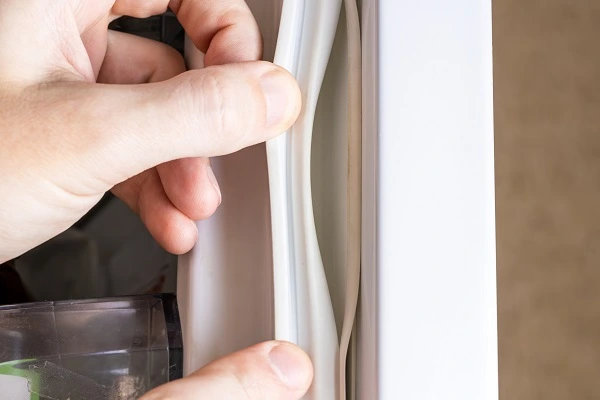
One of the most common causes of ice build-up is a damaged or worn door gasket. The rubber seal around the freezer door is designed to keep warm air out and cold air in. If the seal becomes cracked, loose, or dirty, moisture can continuously enter the compartment.
Manufacturers such as Bosch and Electrolux recommend inspecting the gasket regularly. Close the door on a piece of paper and try pulling it out. If it slides out easily, the seal may no longer be providing a proper airtight barrier.
To fix the issue:
Clean the gasket with warm water and mild soap.
Remove any food debris or grease.
Check for tears or gaps.
Replace the gasket if it is damaged beyond repair.
A properly sealed door can significantly reduce frost formation.
Every time the freezer door is opened, humid air enters the compartment. If the door remains open for extended periods, moisture levels increase dramatically.
Families with busy kitchens often experience this issue, especially when searching through frozen food. Large-capacity models from KitchenAid and Maytag can encourage overloading and extended door-open times simply because there is more space to search through.
Try these habits:
Decide what you need before opening the freezer.
Close the door immediately after use.
Organize food into labeled containers.
Keep frequently used items near the front.
Small changes in daily behavior can prevent a surprising amount of ice accumulation.
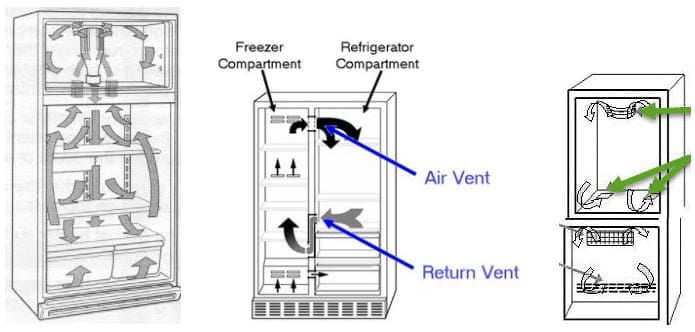
Modern frost-free freezers rely on proper airflow. Cold air circulates through vents to maintain consistent temperatures throughout the compartment.
If food packages block these vents, airflow becomes restricted. As a result, some areas may become colder than others, leading to localized frost and ice formation.
Brands like Samsung and LG often include strategically placed vents that should remain unobstructed at all times.
Inspect the interior and:
Move large boxes away from air vents.
Avoid packing food too tightly.
Leave small gaps between stored items.
Proper circulation helps the freezer maintain stable temperatures and reduces the risk of ice build-up.
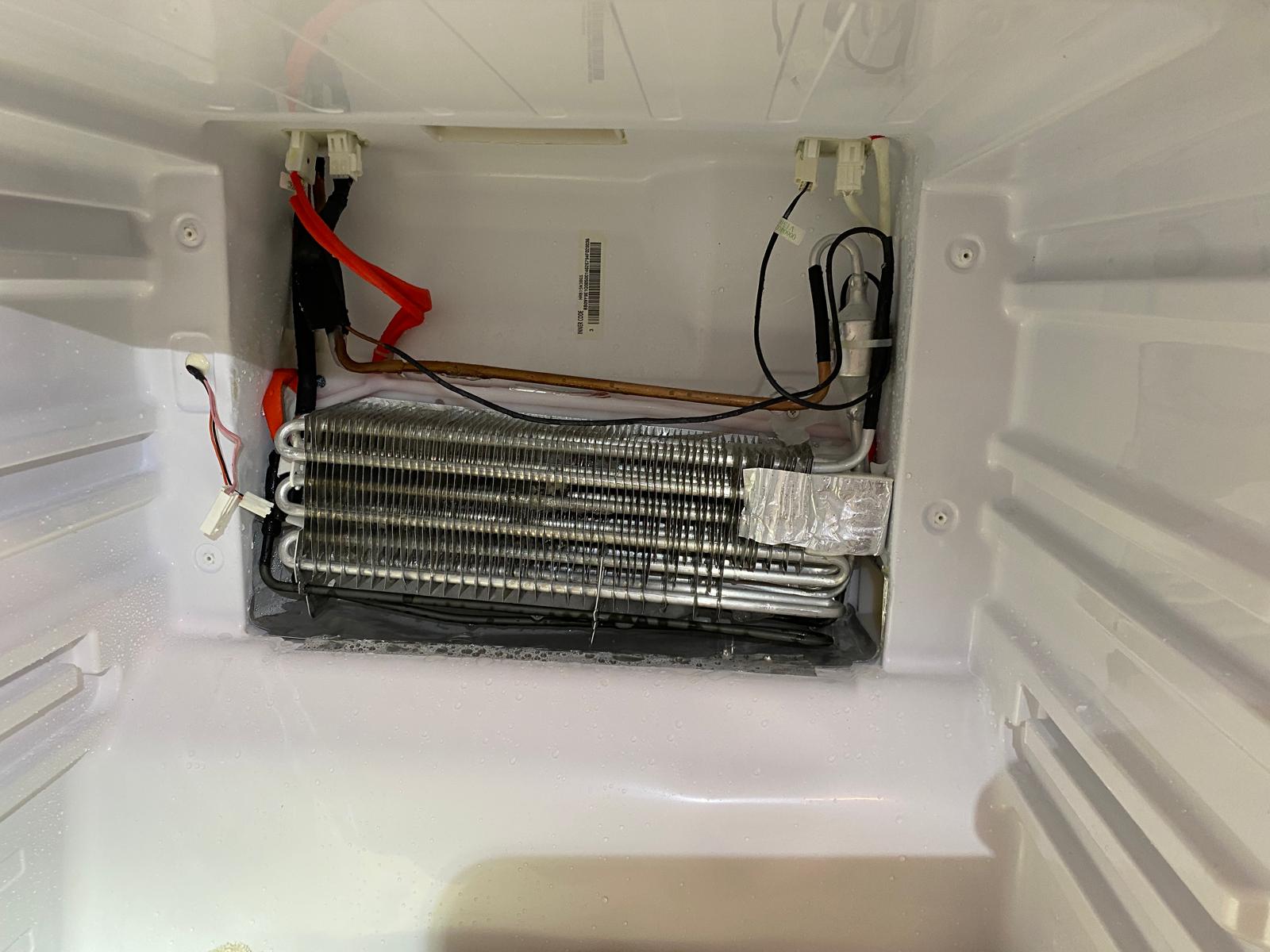
Refrigerator evaporator coil opened for defrost system diagnosis
Most modern freezers use an automatic defrost system to prevent excessive frost accumulation. If one component of this system fails, ice can begin building up rapidly.
The automatic defrost system typically consists of:
A defrost heater
A defrost thermostat
A control board or timer
When functioning correctly, the heater periodically melts accumulated frost from the evaporator coils. Water then drains away and evaporates.
Manufacturers such as Whirlpool and GE Appliances design these systems to operate automatically, so homeowners may not notice a problem until thick ice begins covering the back wall of the freezer.
Signs of a defrost system failure include:
Heavy frost on the rear panel
Reduced cooling performance
Unusual fan noises
Rising freezer temperatures
If you suspect a defective heater or thermostat, professional diagnosis may be necessary.
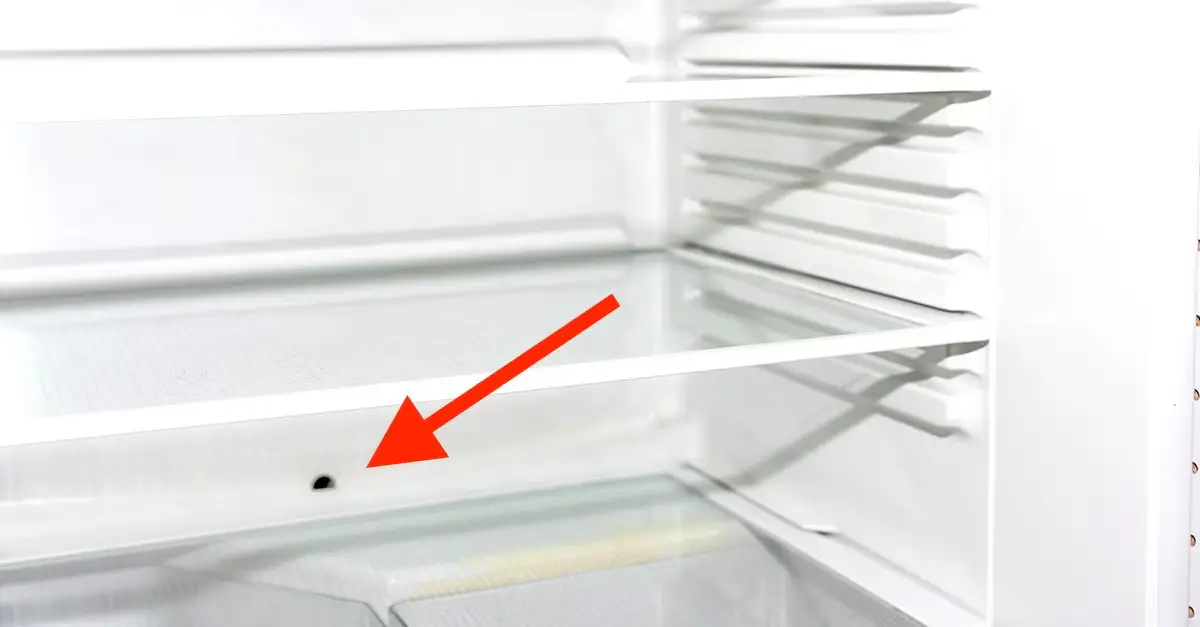
Many frost-free freezers include a drain channel that carries water away during defrost cycles. If this drain becomes clogged or frozen, water can remain inside the appliance and eventually freeze into solid ice.
This issue is frequently reported across many appliance brands, including Frigidaire, Haier, and Hisense.
To clear a frozen drain:
Unplug the freezer.
Remove visible ice around the drain opening.
Use warm water to melt blockages.
Clean the drain with a flexible plastic tube if necessary.
Once the drain is functioning correctly, excess water should no longer accumulate inside the compartment.
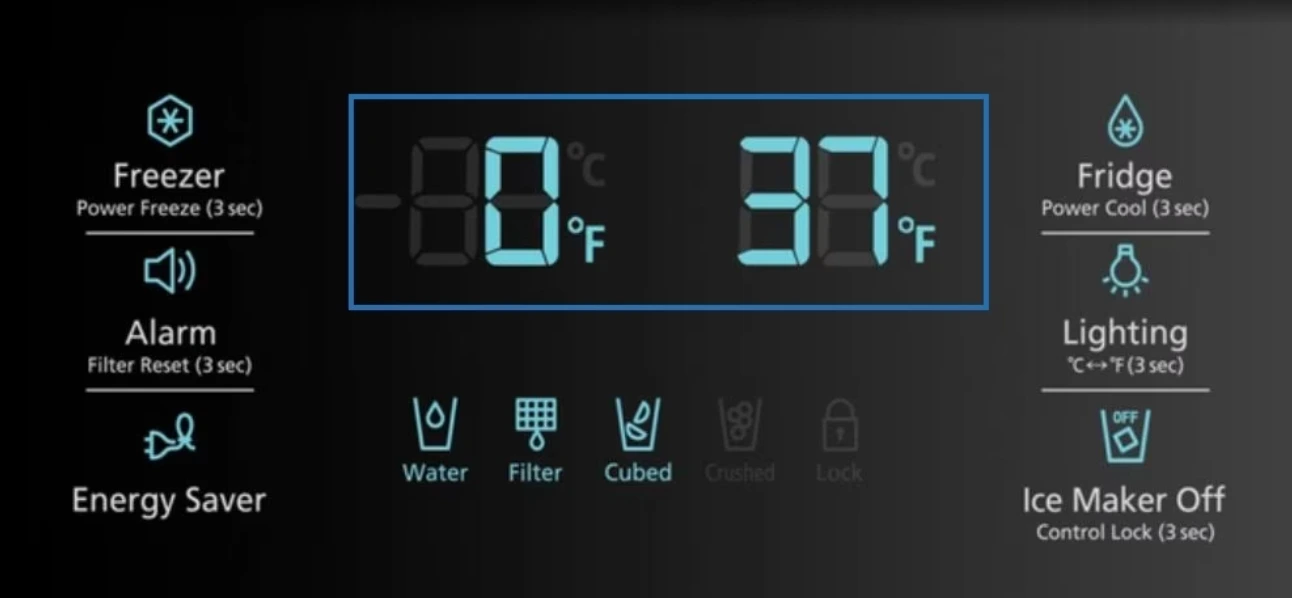
Incorrect temperature settings can contribute to frost problems.
According to recommendations from organizations such as the U.S. Food and Drug Administration (FDA), freezers should generally be maintained at 0°F (-18°C). Temperatures set significantly lower than necessary may increase frost accumulation while consuming more electricity.
If your freezer is set excessively cold:
Adjust the temperature to the recommended setting.
Wait 24 hours before evaluating results.
Monitor ice formation over several days.
Smart appliances from companies like Samsung SmartThings and LG ThinQ often allow users to monitor temperatures through mobile apps, making adjustments easier.
Placing hot food directly into a freezer introduces a large amount of moisture into the compartment. As the food cools, steam is released, which quickly freezes on nearby surfaces.
This is especially common after meal preparation or holiday gatherings.
Before freezing leftovers:
Allow food to cool to room temperature.
Use airtight containers.
Divide large portions into smaller packages.
Storage systems from Rubbermaid and Pyrex can help reduce moisture exposure and improve organization.
If ice build-up has already become severe, a complete manual defrost may be necessary.
Follow these steps:
Unplug the freezer.
Remove all food items.
Place towels around the appliance.
Leave the door open.
Allow ice to melt naturally.
Wipe all interior surfaces dry.
Restart the freezer after cleaning.
Avoid using sharp objects to chip away ice. Many service professionals who work on appliances from Whirlpool, Bosch, and Frigidaire report that punctured evaporator lines are among the most expensive DIY mistakes homeowners make.
Patience is safer and often more effective.
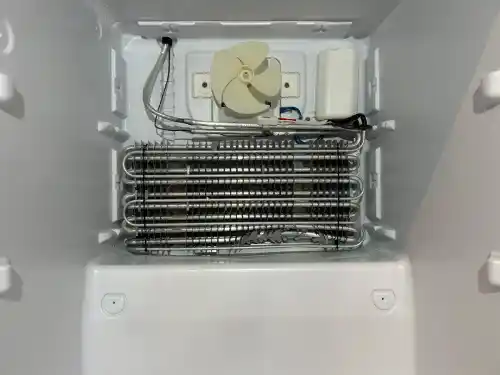
The evaporator fan circulates cold air throughout the freezer compartment. If the fan stops working properly, temperature imbalances may occur, causing frost and ice to form in certain areas.
Signs of a faulty fan include:
Weak airflow
Unusual buzzing sounds
Inconsistent temperatures
Frost concentrated near vents
Many replacement parts for brands such as GE Appliances, Samsung, and Electrolux are widely available through authorized service networks.
If the fan motor has failed, replacing it can often resolve persistent icing problems.
While many ice build-up problems can be solved at home, some situations require professional service.
Consider contacting a qualified technician if:
Ice returns quickly after defrosting.
The freezer stops maintaining temperature.
Electrical components appear faulty.
The defrost heater is not functioning.
You notice water leaking from unexpected areas.
Certified technicians familiar with brands like LG, Samsung, Whirlpool, and Bosch can accurately diagnose internal failures and prevent further damage.
Preventive maintenance is often easier than dealing with heavy frost accumulation later.
A few simple habits can make a significant difference:
Inspect door seals every few months.
Keep vents clear.
Avoid overloading shelves.
Store food in airtight containers.
Minimize door-open time.
Clean the drain system periodically.
Maintain proper temperature settings.
These practices help improve efficiency, reduce energy costs, and extend the lifespan of your appliance.
Ice build-up in a freezer is a common problem, but it rarely appears without a reason. Whether the issue stems from a worn gasket, blocked vents, excessive humidity, or a malfunctioning defrost system, identifying the root cause is the key to finding a lasting solution.
Regular maintenance and smart storage habits can keep freezers from manufacturers like Whirlpool, Samsung, LG, Bosch, Frigidaire, and GE Appliances operating efficiently for years. By addressing frost problems early, homeowners can avoid costly repairs, preserve food quality, and ensure their freezer continues performing as intended.
Rapid ice build-up is usually caused by warm, humid air entering the freezer. Common reasons include a damaged door seal, frequent door opening, blocked air vents, or a malfunctioning defrost system.
The safest way is to perform a manual defrost. Unplug the freezer, remove all food, leave the door open, and allow the ice to melt naturally. Avoid using sharp tools to chip away ice, as they can damage internal components.
A small amount of frost may be normal, especially in older models. However, thick layers of ice or frost covering shelves, walls, or vents usually indicate an underlying issue that should be addressed.
Yes. A worn, cracked, or loose door gasket allows warm air to enter the freezer. When moisture from that air freezes, frost and ice begin to accumulate inside the compartment.
Most manufacturers recommend keeping your freezer at 0°F (-18°C). This temperature helps preserve food safely while minimizing unnecessary frost formation and energy consumption.
Ice on the back wall often points to a problem with the automatic defrost system. A faulty defrost heater, thermostat, or control board can prevent frost from melting properly.
Yes. Overpacking the freezer can block airflow and prevent cold air from circulating evenly. This can create cold spots where frost and ice form more easily.
Manual-defrost freezers should be defrosted whenever ice reaches about 1/4 inch (6 mm) thick. Frost-free freezers generally do not require manual defrosting unless a component failure causes excessive ice build-up.
 Request Service
 (647) 492-7773
