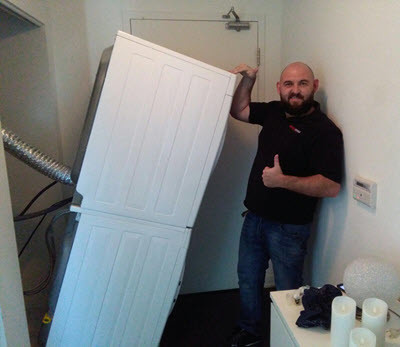
A refrigerator is designed to keep food fresh and safe, but when the fresh food compartment starts warming up while the freezer continues to work normally, it can quickly become a serious issue. This problem is commonly reported in many refrigerator brands and models, including popular units from Samsung, LG, Whirlpool, GE, Frigidaire, Maytag, KitchenAid, and Kenmore.
If you notice that milk, vegetables, or other refrigerated items are not staying cold enough, this guide will help you understand the most common causes of a warming fresh food compartment and what steps you can take to fix the problem.
The fresh food compartment is the refrigerator section where temperatures are typically maintained between 35°F and 38°F (1.7°C to 3.3°C). When this area becomes warmer than recommended, food spoilage can occur even though the freezer may still appear to function normally.
In many modern refrigerators, cold air is produced in the freezer and then circulated into the refrigerator compartment through air ducts and dampers. Any issue affecting this airflow can cause the refrigerator section to warm up.
While the issue can occur in almost any refrigerator, service technicians frequently encounter it in models such as:
Samsung RF28R7351SG
Samsung RF263BEAESR
LG LFXS28968S
LG LMXS30776S
Whirlpool WRX735SDHZ
Whirlpool WRF555SDFZ
GE GFE28GYNFS
GE Profile PFE28KYNFS
Frigidaire Gallery GRFG2353AF
Frigidaire FGHB2868TF
KitchenAid KRFF507HPS
Maytag MFI2570FEZ
Kenmore Elite 795 Series
Although the symptoms may be similar, the root cause can vary depending on the refrigerator design.
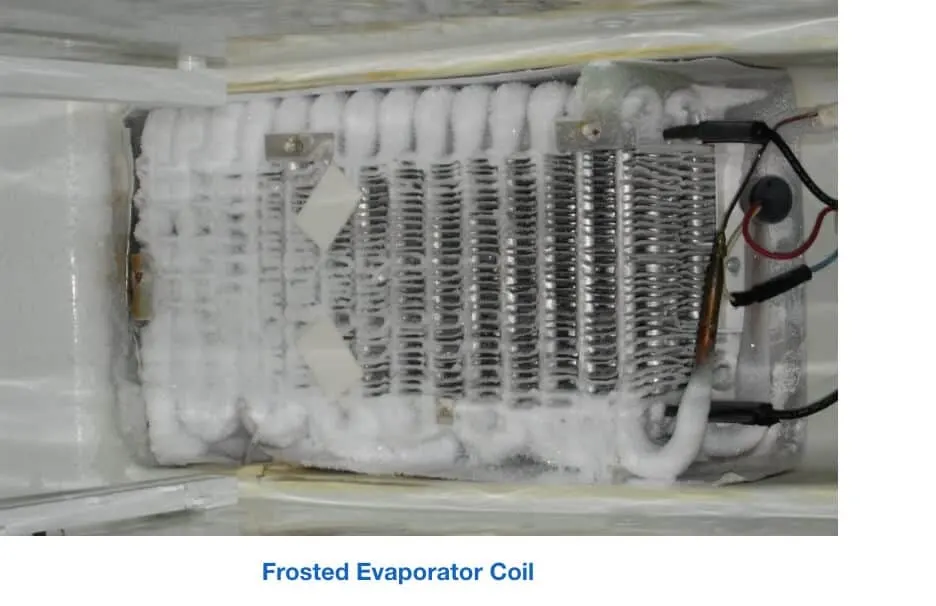
One of the most common reasons for a warm refrigerator compartment is excessive frost buildup on the evaporator coils. When frost accumulates, airflow becomes restricted and cold air cannot properly reach the fresh food section.
Signs include:
Freezer still cold
Refrigerator section warm
Unusual fan noise
Frost visible behind the freezer rear panel
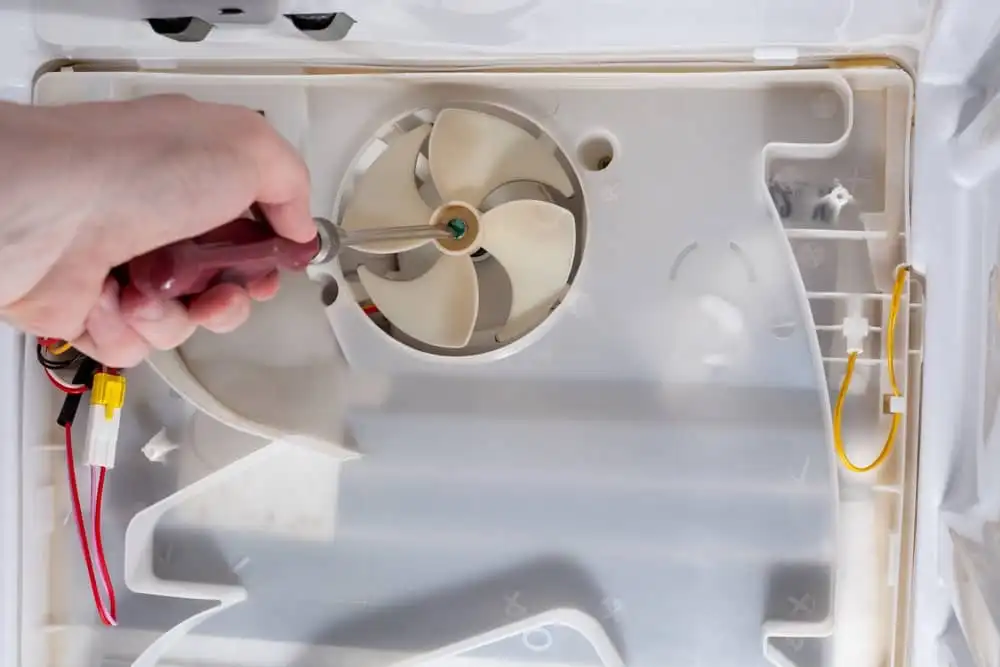
The evaporator fan circulates cold air throughout the appliance. If the fan stops working or operates intermittently, cold air may remain trapped in the freezer.
Common symptoms:
Weak airflow from refrigerator vents
Freezer temperature appears normal
Refrigerator temperature rises gradually
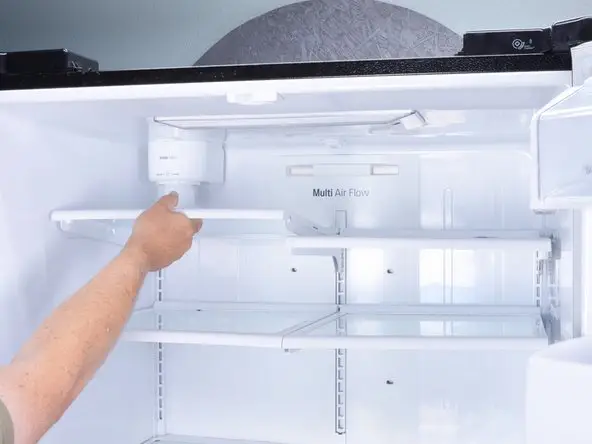
The air damper regulates the amount of cold air entering the fresh food compartment. If it becomes stuck closed, the refrigerator section will not receive sufficient cooling.
A defective damper can cause:
Warm refrigerator compartment
Normal freezer operation
Uneven temperatures inside the refrigerator
Modern refrigerators use an automatic defrost system consisting of:
Defrost heater
Defrost thermostat
Defrost control board
Failure of any of these components can allow frost to build up on the evaporator, eventually restricting airflow.
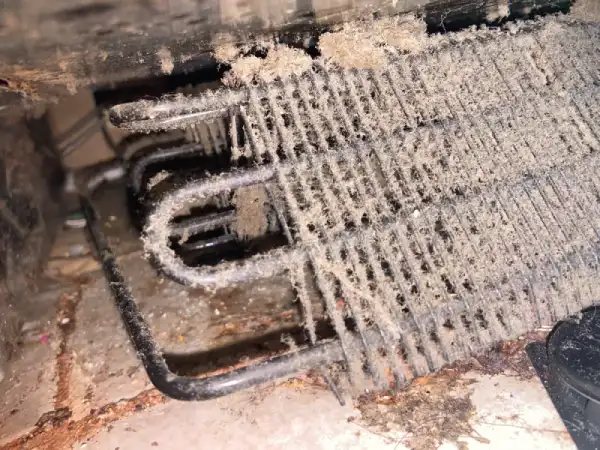
Dust and debris on condenser coils reduce cooling efficiency. This forces the compressor to work harder and may lead to higher temperatures in the refrigerator compartment.
Cleaning the coils every 6–12 months can help prevent cooling problems.
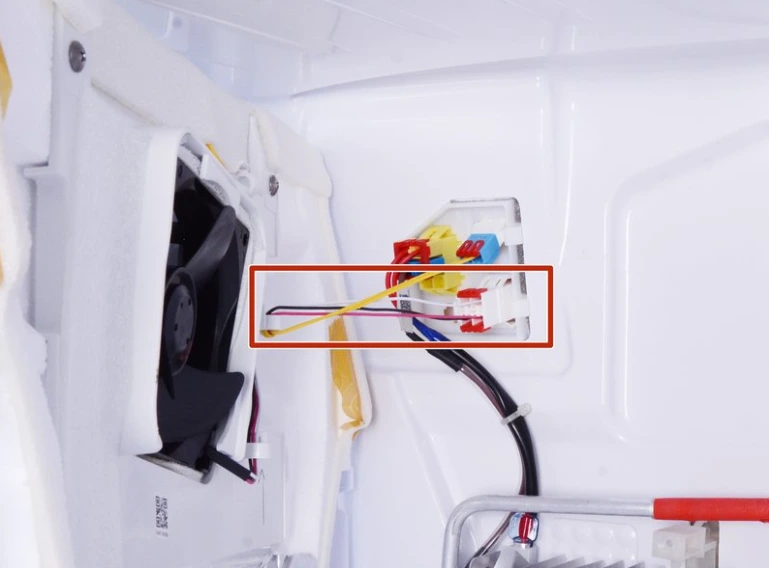
Many modern refrigerators rely on thermistors to monitor temperatures. If a sensor sends incorrect readings to the control board, cooling performance may become inconsistent.
Possible symptoms include:
Incorrect temperature display
Frequent temperature fluctuations
Intermittent cooling issues
The electronic control board manages multiple refrigerator functions. Although less common than airflow-related problems, a failing board can prevent fans, dampers, or defrost components from operating correctly.
Before scheduling a service appointment, try the following steps:
Verify temperature settings.
Check for blocked air vents.
Inspect door gaskets for leaks.
Listen for evaporator fan operation.
Clean condenser coils.
Look for excessive frost buildup.
Power cycle the refrigerator for several minutes.
If the problem returns after these checks, professional diagnosis may be necessary.
Professional service is recommended when:
Frost repeatedly returns after defrosting.
The evaporator fan is not running.
Error codes appear on the display.
The refrigerator fails to maintain safe food temperatures.
Electronic components require testing.
A technician can accurately diagnose whether the issue involves the fan motor, thermistor, damper assembly, defrost system, or control board.
To reduce the likelihood of a warming fresh food compartment:
Keep condenser coils clean.
Avoid overloading shelves.
Ensure vents remain unobstructed.
Check door seals regularly.
Maintain proper temperature settings.
Schedule preventive maintenance if recommended by the manufacturer.
A fresh food compartment warming up is one of the most common refrigerator cooling complaints. In many cases, the problem is caused by restricted airflow, frost accumulation, a faulty evaporator fan, or a malfunctioning defrost system. Identifying the root cause early can help prevent food spoilage and avoid more expensive repairs later.
Whether you own a Samsung, LG, Whirlpool, GE, Frigidaire, KitchenAid, Maytag, or Kenmore refrigerator, understanding these common failure points can make troubleshooting much easier and help restore proper cooling performance.
A warming refrigerator compartment is often caused by blocked air vents, a faulty evaporator fan, dirty condenser coils, frost buildup, or problems with the temperature control system.
This usually indicates that cold air is not properly circulating from the freezer to the fresh food compartment. Common causes include a failed evaporator fan, blocked air passages, or a malfunctioning damper control.
Yes. Packing too much food inside the refrigerator can restrict airflow, making it difficult for cold air to circulate evenly throughout the compartment.
Signs of a faulty evaporator fan include weak airflow from the vents, unusual noises, inconsistent temperatures, or a refrigerator section that remains warm while the freezer stays cold.
Yes. Dirty condenser coils reduce cooling efficiency and force the appliance to work harder, which can lead to higher temperatures in the fresh food section.
If cleaning the coils, checking airflow, and adjusting temperature settings do not resolve the issue, professional service may be needed to diagnose fan, thermostat, damper, or control board problems.
Book online and save $25, or call and talk to a technician now.
 Request Service
 (647) 492-7773
