A leaking dishwasher is one of the most common appliance issues homeowners face. Whether you own a Whirlpool, Samsung, LG, GE, Frigidaire, KitchenAid, and Maytag, dishwasher, water leaking onto your kitchen floor should never be ignored. Even a small leak can lead to water damage, mold growth, and costly repairs.
In this guide, we'll explain the most common reasons why a dishwasher leaks, how to troubleshoot the problem, and when it's time to call a professional appliance repair technician.
Several components can cause water to escape from your dishwasher. Identifying where the leak originates is the first step toward fixing the issue.
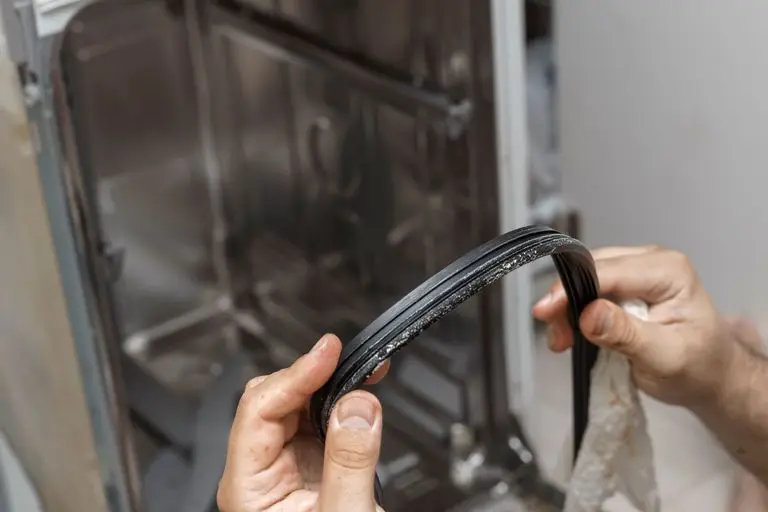
The door gasket (door seal) creates a watertight barrier during the wash cycle. Over time, rubber seals become cracked, brittle, or dirty.
Symptoms:
Water leaking from the front door
Visible cracks or tears
Moisture around the door edges
Solution:
Inspect the gasket for damage and clean it with warm water and mild soap. If worn out, replace it with a compatible OEM replacement part.

If the door latch doesn't close securely, water may escape during operation.
Common causes include:
Bent latch mechanism
Loose door hinges
Misaligned door
Replacing a damaged latch often solves front-door leaks.

The drain hose carries wastewater from the dishwasher to the kitchen sink drain or garbage disposal.
Leaks may occur because of:
Cracks in the hose
Loose hose clamps
Improper installation
Clogs causing pressure buildup
Inspect both ends of the hose and tighten all connections.

The water inlet valve controls how much water enters the dishwasher.
A defective valve may:
Leak underneath the unit
Overfill the dishwasher
Cause inconsistent water levels
Replacing the valve is usually the best solution.
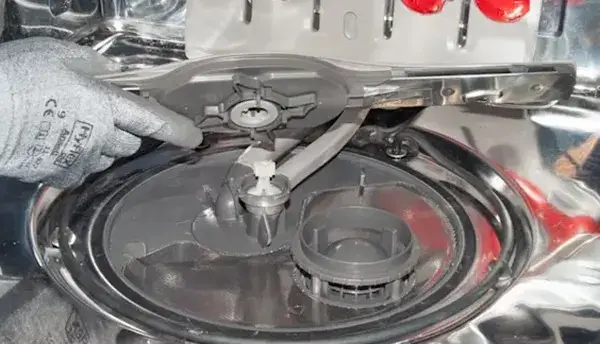
Modern dishwashers use:
Drain pump
Circulation pump
Pump seals
When seals wear out, water can leak from underneath the appliance.
Signs include:
Water pooling beneath the dishwasher
Grinding noises
Poor draining performance
Too much water inside the tub can overflow through the door.
Possible reasons:
Faulty float switch
Defective float assembly
Malfunctioning water inlet valve
The float switch helps regulate water levels and prevents overfilling.
Although uncommon, plastic dishwasher tubs can crack after years of use.
This problem is more likely in older models from any manufacturer.
A cracked tub usually requires professional repair or complete dishwasher replacement.
A damaged or blocked spray arm may redirect water toward the door instead of dishes.
Check for:
Cracks
Warping
Food debris blocking spray holes
Cleaning or replacing the spray arm often eliminates leaks.
If water appears underneath the appliance, inspect:
Drain pump
Drain hose
Water inlet valve
Pump seals
Tub-to-motor gasket
Using a flashlight can help locate the exact source.
Front-door leaks usually indicate:
Dirty door gasket
Worn door seal
Faulty latch
Overloaded dishwasher
Incorrect detergent
Using regular dish soap instead of automatic dishwasher detergent creates excessive foam, which can force water out of the door.
If leaking occurs only while draining, inspect:
Drain hose
Garbage disposal connection
Air gap (if installed)
Drain pump
Loose hose clamps are a frequent cause.
Yes.
Hard water leaves mineral deposits on:
Door seals
Spray arms
Float switch
Water inlet valve
Regular cleaning with dishwasher cleaner or white vinegar helps reduce buildup.
To reduce the risk of future leaks:
Clean the dishwasher filter every month.
Inspect the door gasket regularly.
Avoid overloading dishes.
Use only dishwasher-safe detergent.
Check hoses annually.
Remove food debris from the spray arms.
Run a cleaning cycle every few months.
Routine maintenance extends the lifespan of your appliance.
Some dishwasher leaks require professional diagnosis, especially if the problem involves:
Electrical components
Internal pump failure
Cracked tub
Control board issues
Persistent leaks after replacing seals
Certified appliance repair technicians have the tools needed to safely diagnose and repair complex problems.
A leaking dishwasher should never be ignored. Fortunately, many leaks are caused by simple issues such as a worn door gasket, loose drain hose, clogged spray arm, or faulty water inlet valve. Regular maintenance and prompt repairs can prevent water damage and keep your dishwasher operating efficiently for years.
Water from a dishwasher leak can also leave stains or damage on nearby walls, cabinets, and other painted surfaces. Once the source of the leak has been repaired, home painters can help restore the affected areas and give your kitchen a clean, finished look.
Whether you own a Bosch, Samsung, LG, Whirlpool, GE, KitchenAid, Maytag, Frigidaire, Electrolux, or Miele dishwasher, diagnosing the source of the leak early is the best way to avoid expensive repairs and extend the life of your appliance.
A dishwasher that leaks from the bottom is usually caused by a damaged drain pump, worn pump seal, cracked drain hose, faulty water inlet valve, or a leaking tub gasket. Inspect the underside of the appliance to identify the exact source of the leak.
Water leaking from the door is commonly caused by a worn or dirty door gasket, a faulty door latch, an overloaded dishwasher, or using the wrong detergent. Cleaning or replacing the door seal often solves the problem.
No. Operating a leaking dishwasher can lead to water damage, mold growth, damaged flooring, and electrical hazards. It’s best to stop using the appliance until the problem has been repaired.
Dry the area around the dishwasher, then run a short wash cycle while observing where water first appears. Common leak locations include the door, drain hose, pump assembly, water inlet valve, and underneath the appliance.
Yes. A clogged filter can restrict water flow, causing water to overflow or spray in the wrong direction. Cleaning the filter regularly helps prevent leaks and improves washing performance.
If the leak occurs only while draining, the most likely causes are a damaged drain hose, loose hose clamp, faulty drain pump, or a clogged garbage disposal connection.
Book online and save $25, or call and talk to a technician now.
 Request Service
 (647) 492-7773
