According to food safety guidelines, a freezer should maintain a temperature of 0°F (-18°C) or lower. At this temperature, food remains safely frozen and retains its quality for longer periods.
If your appliance consistently stays above this temperature, it's important to identify the cause before the problem worsens.
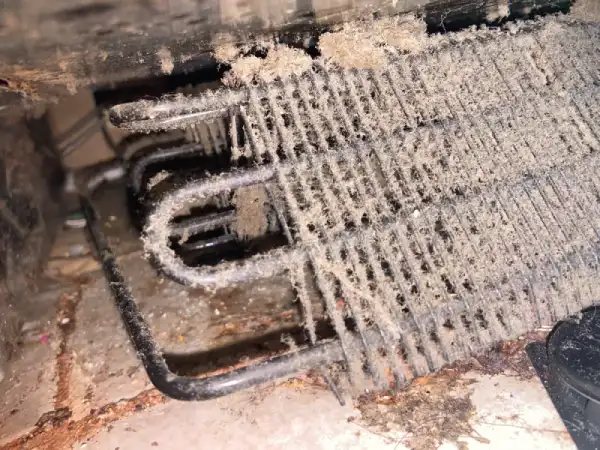
Condenser coils release heat from the refrigeration system. Over time, dust, pet hair, and debris can accumulate on the coils, reducing their efficiency and forcing the compressor to work harder.
Signs of dirty condenser coils include:
Poor cooling performance
Longer running cycles
Increased energy consumption
Warm freezer temperatures
Cleaning the condenser coils regularly can improve cooling efficiency and extend the lifespan of your appliance.
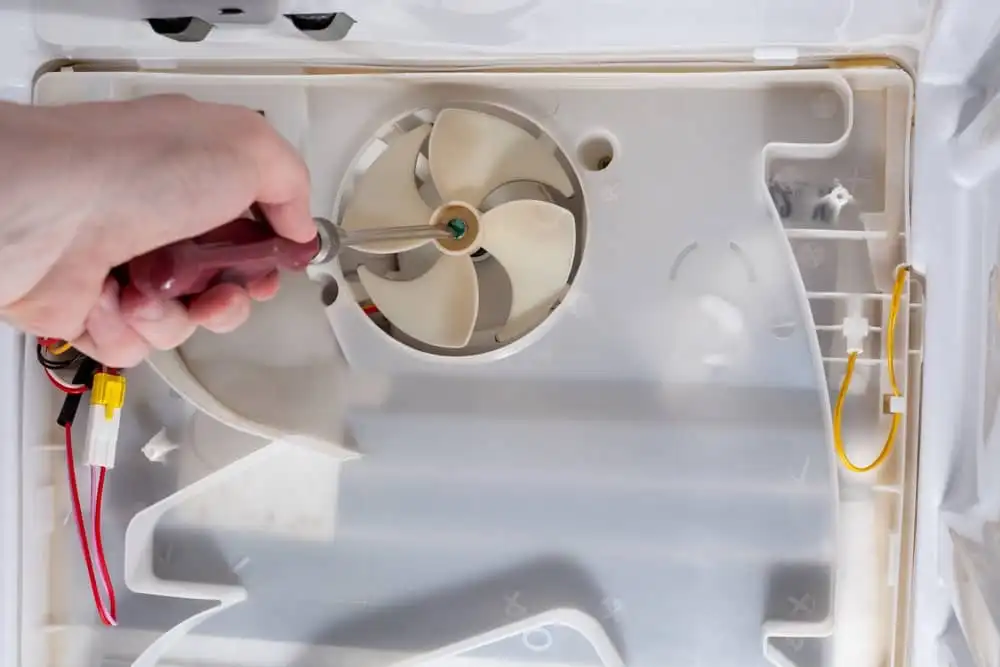
The evaporator fan circulates cold air throughout the freezer compartment. If the fan motor fails or becomes obstructed, cold air cannot move properly, leading to uneven cooling.
Symptoms of a defective evaporator fan include:
Freezer not freezing food completely
Unusual noises from the freezer
Cold spots near the evaporator
Warm temperatures throughout the compartment
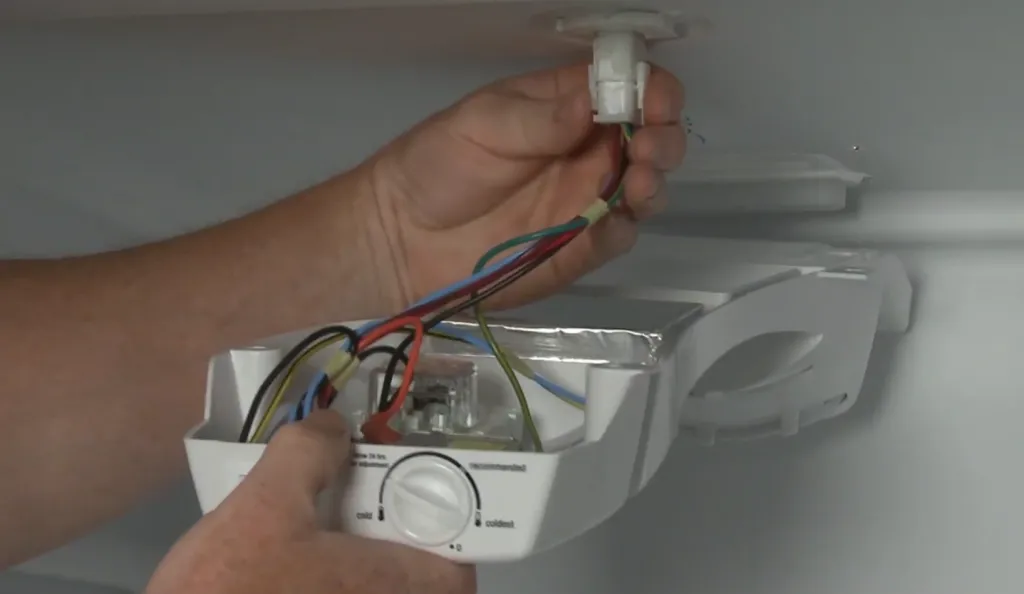
The temperature control thermostat monitors internal temperatures and signals the compressor when cooling is required. If the thermostat becomes faulty, it may fail to activate the refrigeration system correctly.
Common signs include:
Inconsistent temperatures
Freezer cycling on and off unexpectedly
Compressor not running when needed
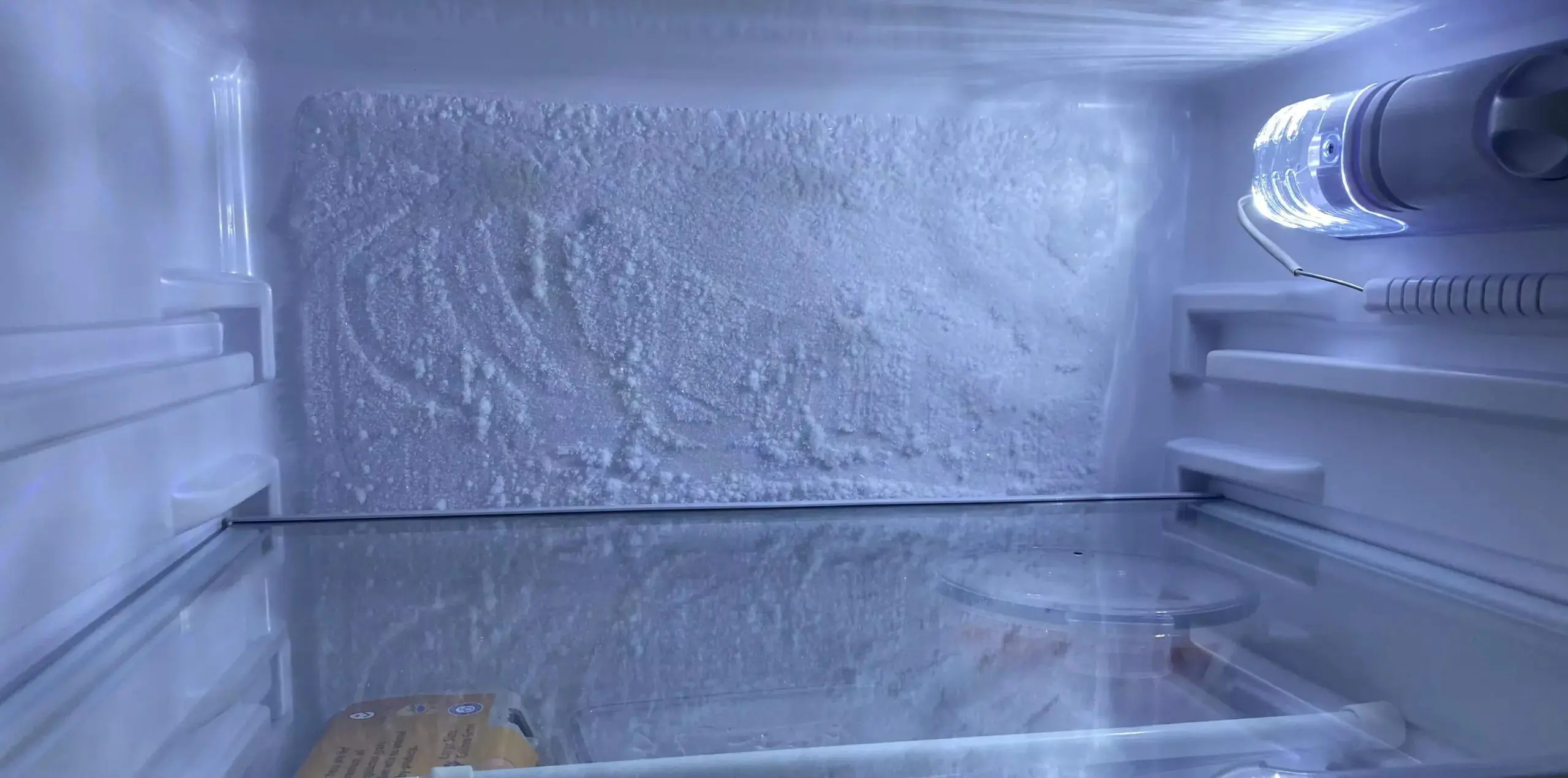
Modern frost-free freezers rely on a defrost system to prevent ice accumulation. When components such as the defrost heater, defrost thermostat, or defrost timer fail, excessive frost can form on the evaporator coils.
Heavy frost restricts airflow and prevents proper cooling.
Indicators of a defrost system problem:
Ice buildup on the rear freezer wall
Reduced airflow
Freezer warming over time
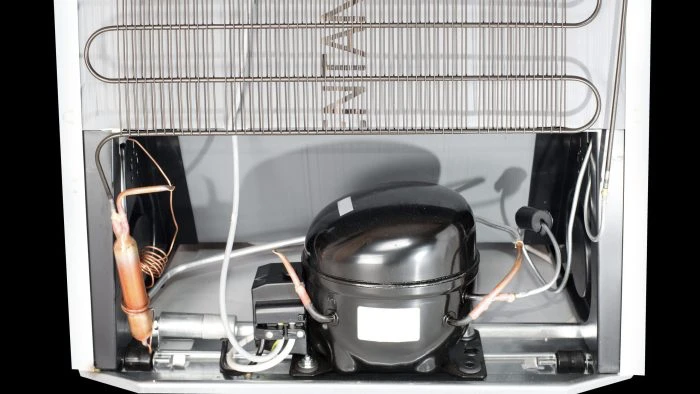
The compressor is the heart of the refrigeration system. It compresses refrigerant and helps maintain low temperatures inside the freezer.
A failing compressor may cause:
Insufficient cooling
Frequent cycling
Clicking noises
Warm freezer temperatures
Because compressor repairs often require specialized tools and refrigerant handling, a professional fridge repair service is recommended.
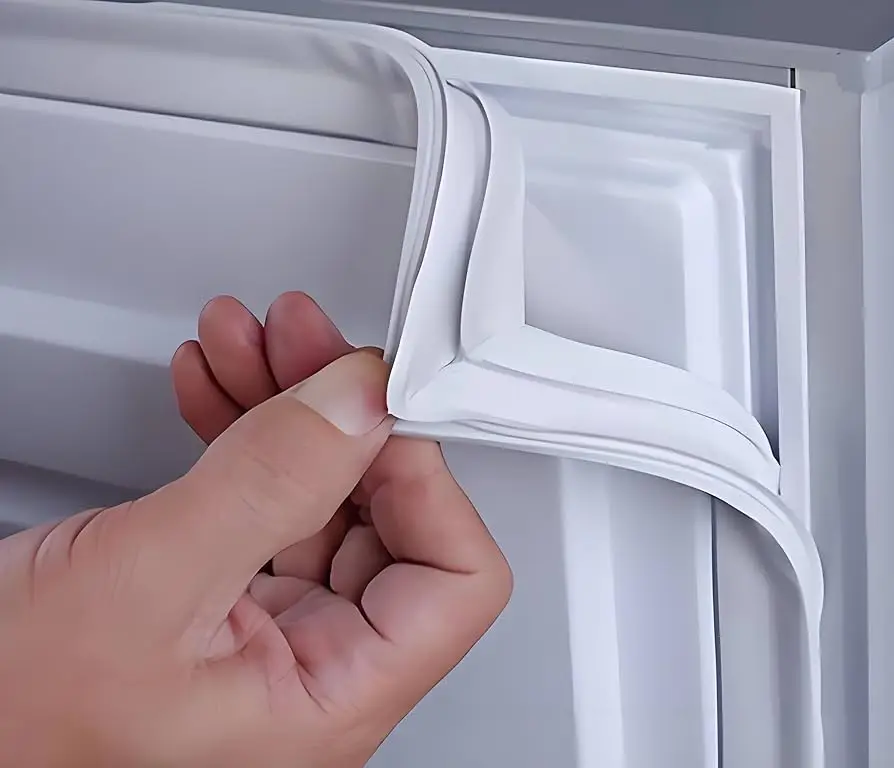
The freezer door gasket creates an airtight seal that keeps cold air inside. Cracked, loose, or worn gaskets allow warm air to enter, forcing the appliance to work harder.
Check for:
Visible tears or gaps
Condensation around the door
Frost accumulation near the seal
Difficulty keeping food frozen
Replacing a damaged gasket can significantly improve freezer performance.

Although refrigerant does not get "used up" under normal conditions, leaks can occur within the sealed refrigeration system.
Possible signs of a refrigerant leak include:
Freezer not reaching the correct temperature
Compressor running continuously
Reduced cooling capacity
Ice forming only on part of the evaporator coil
A licensed appliance repair technician should inspect and repair refrigerant leaks.
Before scheduling service, try these troubleshooting steps:
Verify the temperature setting.
Ensure the door closes completely.
Inspect the door gasket for damage.
Clean the condenser coils.
Check for blocked air vents.
Listen for the evaporator fan operation.
Remove excess frost buildup.
Avoid overloading the freezer.
Confirm adequate ventilation around the appliance.
These simple checks often resolve minor cooling issues.
If basic troubleshooting does not restore proper cooling, professional service may be necessary. Problems involving the compressor, refrigerant system, control board, evaporator fan motor, or defrost components typically require specialized diagnostic equipment and repair expertise.
A qualified technician can accurately identify the root cause and prevent further damage to the freezer.
Regular maintenance helps ensure reliable freezer performance:
Clean condenser coils every 6–12 months.
Keep door seals clean and intact.
Avoid blocking air circulation vents.
Do not overload the freezer.
Check temperature settings periodically.
Schedule preventive appliance maintenance when needed.
If your freezer is not cold enough, the issue may stem from dirty condenser coils, a faulty evaporator fan, frost buildup, a defective thermostat, compressor problems, refrigerant leaks, or damaged door seals. Prompt troubleshooting and maintenance can often restore normal operation and help protect your frozen food from spoilage. When in doubt, consult a professional appliance repair specialist to diagnose and repair the problem safely and effectively.
A freezer may not reach the proper temperature due to dirty condenser coils, blocked air vents, a faulty evaporator fan, damaged door seals, or a malfunctioning thermostat.
For optimal food preservation, a freezer should be maintained at 0°F (-18°C). Temperatures above this level can lead to food spoilage and reduced freezer performance.
Yes. Overpacking can block airflow inside the freezer, preventing cold air from circulating evenly and causing some areas to become warmer than others.
Signs of a faulty door gasket include visible cracks, loose sections, condensation around the door, or frost buildup inside the freezer caused by warm air leaking in.
Excessive frost often indicates a door seal problem, frequent door openings, or a malfunction in the automatic defrost system.
Yes. Dust and debris on condenser coils reduce heat dissipation, forcing the freezer to work harder and potentially preventing it from reaching the desired temperature.
If you’ve checked the temperature settings, cleaned the coils, verified airflow, and the freezer still isn’t cold enough, professional service may be needed to diagnose issues with the compressor, fan motors, thermostat, or sealed system components.
 Request Service
 (647) 492-7773
