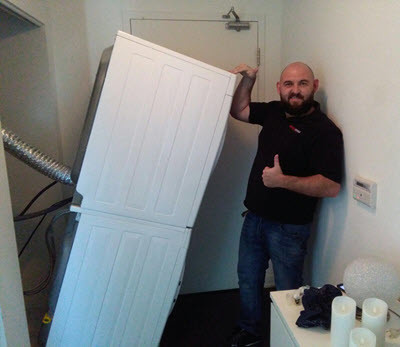
A refrigerator door that won't stay closed is more than a minor annoyance. When a fridge door remains partially open, cold air escapes, forcing the appliance to work harder to maintain the correct temperature. This can lead to spoiled food, higher energy bills, frost buildup, and even premature wear on critical refrigerator components.
If you're wondering, "Why won't my fridge door stay closed?" the good news is that the problem is often caused by a few common issues that homeowners can identify and fix themselves.
Before diagnosing the problem, look for these common symptoms:
The refrigerator door swings open after being shut.
The door pops open when another door is closed.
Food spoils faster than usual.
Excessive condensation appears inside the refrigerator.
Frost or ice forms in unexpected areas.
The refrigerator runs continuously.
You hear the compressor working more often than normal.
If any of these signs sound familiar, your refrigerator door seal or alignment may need attention.
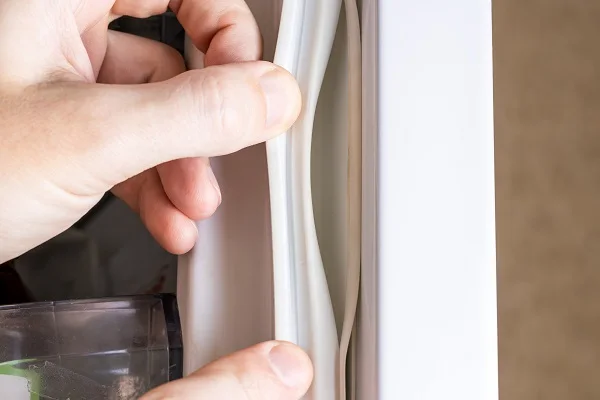
The most common cause of a refrigerator door not staying closed is a damaged or dirty door gasket.
The gasket is the flexible rubber seal that runs around the edge of the refrigerator door. Its purpose is to create an airtight barrier that keeps cold air inside and warm air outside.
Over time, food residue, grease, dust, and moisture can accumulate on the gasket, reducing its ability to seal properly. In older refrigerators, the rubber may crack, warp, or lose flexibility.
Inspect the entire seal for cracks or tears.
Look for areas where the gasket appears loose.
Close the door on a sheet of paper and try pulling it out.
If the paper slides out easily, the seal may no longer be airtight.
Clean the gasket using warm water and mild soap.
Remove dirt from the folds of the rubber.
Replace the gasket if it is damaged or brittle.
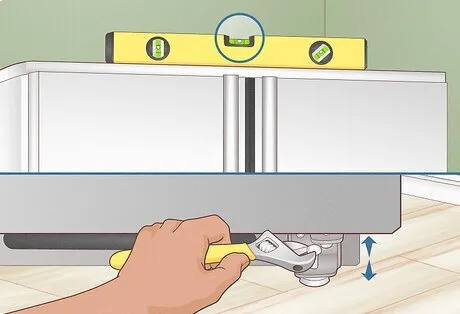
Many homeowners overlook refrigerator leveling when troubleshooting door problems.
A refrigerator should sit slightly tilted backward. This small angle allows gravity to help keep the doors closed after use.
If the appliance tilts forward, the door may slowly swing open on its own.
Place a level on top of the refrigerator. If the front sits lower than the back, adjust the leveling legs according to the manufacturer's recommendations.
Proper leveling often solves door-closing issues immediately.
Modern refrigerators often feature large door bins designed to hold gallons of milk, juice containers, sauces, and beverages.
However, excessive weight can create additional stress on the door hinges and affect alignment.
When door compartments become overloaded:
The door may sag.
Hinges may wear prematurely.
The seal may no longer contact the cabinet evenly.
Reducing the weight stored in the door can improve performance and help the door remain closed.
Sometimes the problem is surprisingly simple.
Large containers, improperly positioned shelves, pizza boxes, or food packaging can prevent the refrigerator door from closing completely.
Even a small obstruction can create enough resistance to leave a gap in the seal.
Inspect the refrigerator interior and ensure all shelves, drawers, and food items are positioned correctly.
Refrigerator hinges support significant weight every day. After years of use, they can become loose, worn, or damaged.
Common symptoms of hinge problems include:
A sagging refrigerator door
Uneven gaps around the door
Difficulty opening or closing
Visible misalignment
Inspect the upper and lower hinges for wear and tighten any loose screws. Severely damaged hinges may need replacement.
Many French-door and side-by-side refrigerators experience a phenomenon where one door briefly opens when the other is shut.
This occurs because closing one door creates a temporary pressure change inside the refrigerator compartment.
While a slight movement is normal, a door that remains open afterward often indicates:
A weak gasket seal
Misaligned doors
Excessive air leakage
Addressing the underlying sealing issue usually resolves the problem.
Regular maintenance can help prevent future door-closing issues.
Clean the gasket every few months.
Avoid slamming the door.
Do not overload door shelves.
Check refrigerator leveling annually.
Replace worn seals promptly.
Keep food containers from obstructing the door.
Preventive maintenance is significantly less expensive than repairing compressor damage caused by air leaks.
If you've cleaned the gasket, checked the hinges, adjusted the leveling feet, and removed potential obstructions but the refrigerator door still won't stay closed, professional diagnosis may be necessary.
An appliance repair technician can identify:
Hidden hinge damage
Structural door warping
Cabinet alignment issues
Seal installation problems
Internal mechanical failures
Professional inspection can help prevent more costly repairs in the future.
A fridge door that won't stay closed is usually caused by a faulty door gasket, poor leveling, overloaded shelves, obstructed storage, or worn hinges. Identifying the root cause early can improve energy efficiency, protect your food, and extend the lifespan of your refrigerator. In many cases, a simple adjustment or replacement part is all that's needed to restore a proper seal and keep your appliance operating efficiently.
A refrigerator door may pop open because of air pressure changes, a worn gasket, improper leveling, or overloaded door shelves.
Yes. A damaged refrigerator gasket allows cold air to escape, forcing the compressor to run longer and consume more electricity.
Common signs include visible cracks, loose sections, condensation around the door, and failure during the paper test.
A slight movement is normal, especially on French-door refrigerators. However, the door should return to a fully sealed position immediately.
A refrigerator door may open on its own if the appliance is not level, the door gasket is worn out, or heavy items stored in the door are causing it to sag. Proper alignment and a strong seal are essential for keeping the door securely closed.
In some cases, a refrigerator door gasket can be restored by cleaning it thoroughly or reshaping minor deformations with warm water. However, if the seal is cracked, torn, or severely worn, replacement is usually the most effective solution.
Yes. Even a small gap can allow warm air to enter the refrigerator, causing temperature fluctuations, excessive frost buildup, increased energy consumption, and additional strain on the compressor. Over time, this can shorten the lifespan of the appliance.
 Request Service
 (647) 492-7773
