A dishwasher may fail to dispense soap for several different reasons, so it's important to identify what's preventing the detergent from being released. The cause could be as simple as dishes blocking the dispenser door or using the wrong detergent, but it may also involve poor water circulation, a faulty dispenser latch, low water temperature, or an electrical problem. Looking at when the issue started, whether the dispenser door opens during the cycle, and how well the dishwasher cleans your dishes can help narrow down the possible causes.
During the wash cycle, detergent is stored inside the dispenser until the control board signals the dispenser latch to open. Once released, water from the spray arms dissolves the detergent and circulates it throughout the dishwasher.
If any part of this process is interrupted, the soap may remain inside the dispenser or fail to dissolve completely.
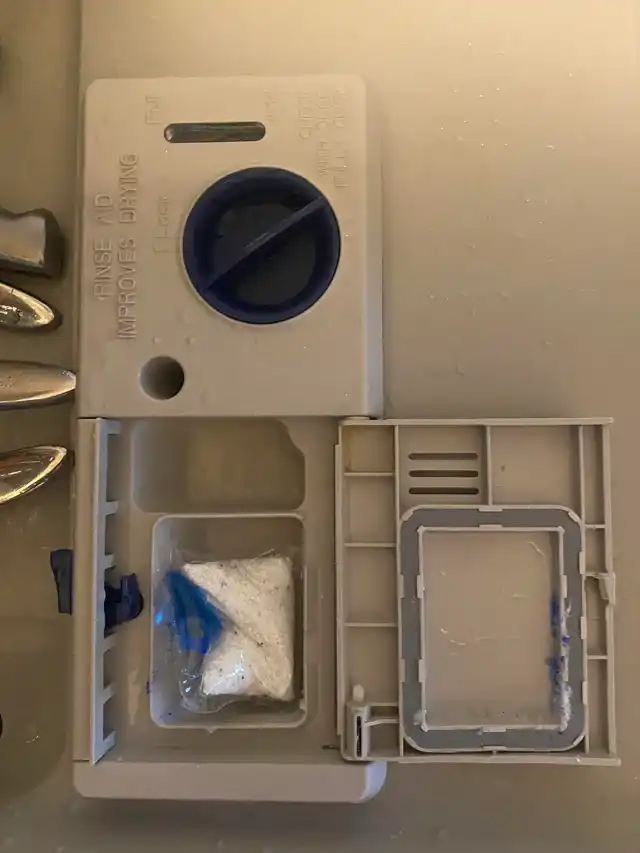
One of the most common causes is improper loading.
Large plates, baking sheets, cutting boards, or pots placed directly in front of the detergent dispenser can prevent the door from opening fully.
To avoid this:
Keep large dishes away from the dispenser.
Follow the manufacturer's loading recommendations.
Make sure nothing blocks the dispenser door before starting a cycle.
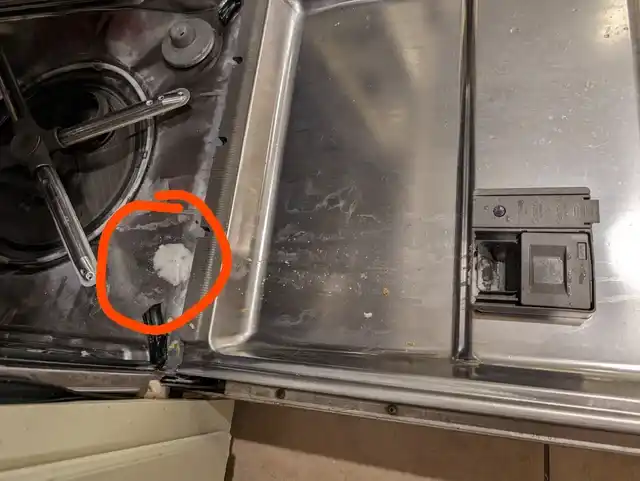
Over time, detergent residue, grease, and hard water deposits can build up around the dispenser.
This buildup may prevent the door from opening or closing correctly.
Clean the dispenser regularly using warm water and a soft cloth. Avoid using sharp tools that could damage the latch or seals.
Dishwasher detergent works best when it's fresh and dry.
Moisture inside the dispenser can cause detergent tablets or powder to harden before the wash cycle begins.
If the detergent is clumped together, it may not dissolve properly even if the dispenser opens normally.
Always store detergent in a cool, dry place and fill the dispenser immediately before running a cycle.
Only detergents specifically designed for automatic dishwashers should be used.
Using regular dish soap can create excessive suds and interfere with the wash cycle, while poor-quality or expired dishwasher detergent may not dissolve effectively.
If you're using detergent pods, make sure they're compatible with your dishwasher model.
Hot water helps dissolve detergent quickly.
If the incoming water temperature is too low, detergent may remain inside the dispenser or leave residue behind.
Most dishwashers perform best when the water temperature is approximately 120°F (49°C).
Running the kitchen faucet until the water becomes hot before starting the dishwasher can improve performance.
If the dishwasher doesn't fill with enough water, detergent may not be distributed properly.
Possible causes include:
A partially closed water supply valve
Low household water pressure
A clogged water inlet valve
A kinked water supply hose
Without sufficient water flow, detergent cannot circulate effectively during the wash cycle.
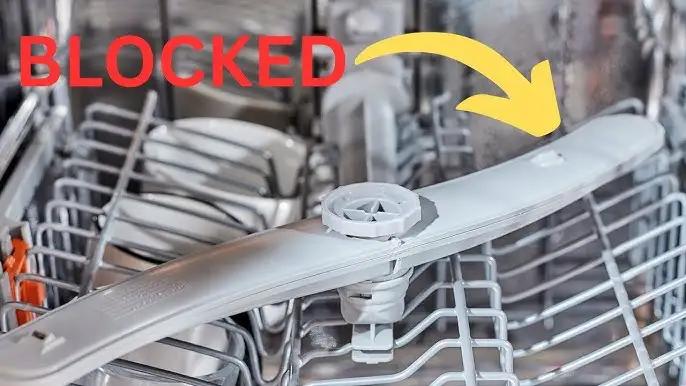
Spray arms distribute water throughout the dishwasher.
If food particles or mineral deposits block the spray holes, less water reaches the detergent dispenser.
Inspect the spray arms for:
Food debris
Hard water buildup
Grease deposits
Damaged spray arm holes
Cleaning the spray arms regularly helps maintain proper water circulation.
The dispenser door relies on a small latch or spring mechanism.
If the latch becomes worn or damaged, the door may remain closed throughout the wash cycle.
Signs of a faulty latch include:
Soap remaining untouched after every cycle
The dispenser door staying closed
Visible damage to the latch mechanism
In many cases, replacing the dispenser assembly resolves the issue.
Modern dishwashers use an electronic control board to release detergent at the correct time.
If the control board fails to send the signal, the dispenser may never open.
Other symptoms may include:
Incomplete wash cycles
Multiple functions failing
Error codes on the display
Electrical problems typically require professional diagnosis.
An overloaded dishwasher can restrict water circulation and physically block the detergent dispenser.
For best results:
Leave space between dishes.
Avoid stacking large cookware together.
Follow the loading pattern recommended by the manufacturer.
Proper loading improves both cleaning performance and detergent distribution.
Homes with hard water often experience mineral deposits inside the dishwasher.
These deposits can affect:
The dispenser mechanism
Spray arms
Water flow
Detergent performance
Using a dishwasher cleaner periodically or installing a water softener can help reduce mineral buildup.
Before replacing any parts, try these simple troubleshooting steps:
Check that nothing is blocking the dispenser door.
Clean the detergent dispenser thoroughly.
Inspect and clean the spray arms.
Verify that the water supply is turned on completely.
Run hot water at the sink before starting the dishwasher.
Use fresh, high-quality dishwasher detergent.
Check whether the dispenser door opens during a wash cycle.
Inspect the latch for visible damage.
Many dispensing issues can be resolved without replacing expensive components.
Professional service may be necessary if:
The dispenser never opens.
The latch appears broken.
The control board isn't sending power to the dispenser.
Water isn't entering the dishwasher properly.
The appliance displays repeated error codes.
Cleaning performance remains poor after basic troubleshooting.
A technician can test electrical components and determine whether replacement parts are needed.
A dishwasher that doesn't dispense soap isn't always suffering from a serious mechanical problem. In many cases, the issue is caused by blocked dispenser doors, dirty spray arms, hardened detergent, or improper loading. Starting with these simple checks can often restore normal operation without the need for repairs. If the problem persists after routine troubleshooting, inspecting the dispenser latch, water supply, and electronic controls—or contacting a qualified technician—may be the next step.
The detergent may remain inside because the dispenser door didn’t open, dishes blocked the compartment, the water wasn’t hot enough, or the spray arms failed to distribute enough water.
Yes. Grease, detergent residue, and hard water deposits can interfere with the dispenser door and reduce water circulation, preventing detergent from dissolving properly.
Detergent pods may fail to dissolve if the water is too cold, the dispenser is blocked, the spray arms are clogged, or the dishwasher doesn’t fill with enough water.
Absolutely. Large dishes can block the dispenser door, while overcrowding can reduce water circulation, preventing detergent from reaching every dish.
Not immediately. First check for blocked dishes, clean the dispenser, inspect the spray arms, and verify the water temperature. If the dispenser still doesn’t open, the latch or dispenser assembly may need replacement.
Wiping the dispenser every few weeks and performing a full dishwasher cleaning once a month helps prevent residue buildup and keeps the mechanism working properly.
 Request Service
 (647) 492-7773
