If your fridge water dispenser is not working, the most common causes are a clogged water filter, frozen water line, low water pressure, faulty dispenser switch, damaged water inlet valve, or a locked control panel. Start by replacing the water filter, checking the water supply line, and ensuring the dispenser lock is turned off. If the problem continues, further diagnosis may be required.
A refrigerator water dispenser provides convenient access to clean drinking water. When it suddenly stops working, it can be frustrating. Fortunately, many dispenser issues can be resolved without calling a technician.
This guide explains the most common reasons why a fridge water dispenser stops working and how to fix the problem.
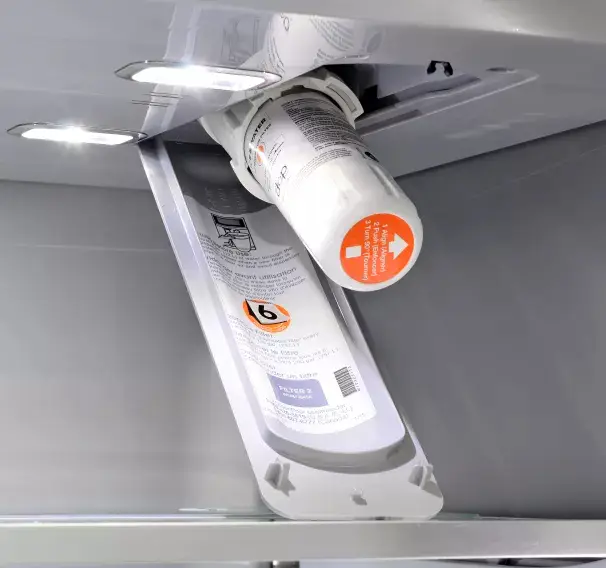
A dirty or expired water filter is one of the most frequent reasons a dispenser stops dispensing water.
Signs:
Slow water flow
No water dispensing
Strange taste or odor
Solution:
Replace the filter according to the manufacturer's recommendations, typically every 6 months.

Water lines inside the refrigerator door can freeze, especially if the freezer temperature is set too low.
Signs:
Ice maker still works
No water comes from the dispenser
Solution:
Raise the freezer temperature slightly and thaw the frozen line using warm air.
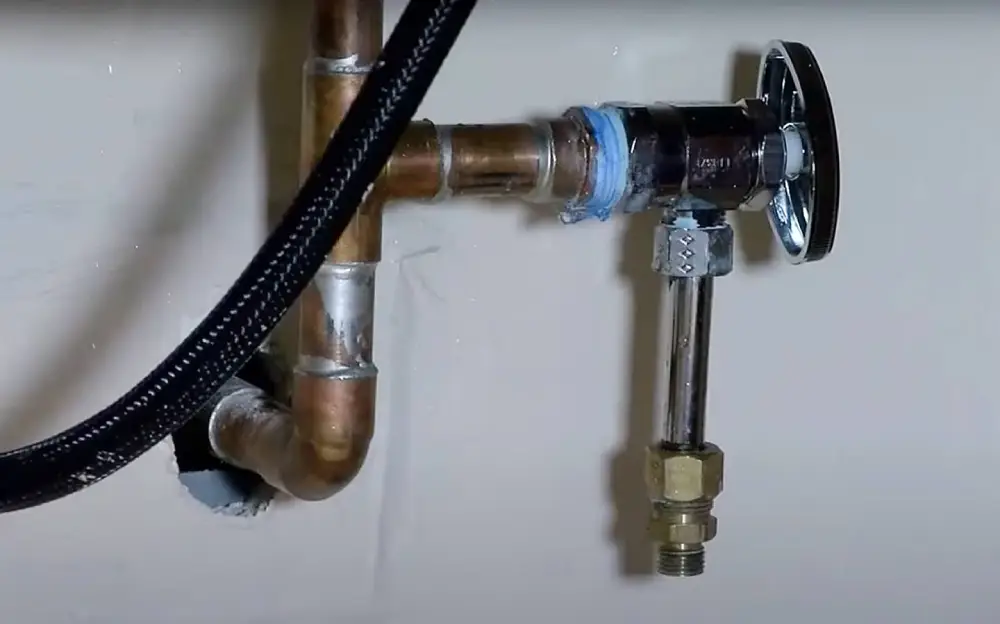
If the refrigerator recently moved or was installed, the household water valve may be partially or fully closed.
Solution:
Inspect the water shut-off valve behind the refrigerator and ensure it is fully open.
Most refrigerator dispensers require at least 20 psi of water pressure.
Signs:
Weak water flow
Ice maker produces small cubes
Solution:
Check your home's water pressure and inspect the supply line for kinks.
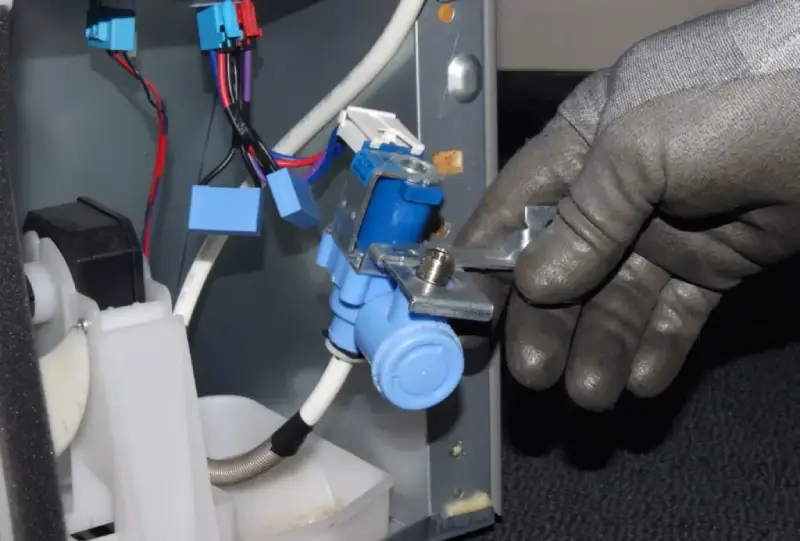
The water inlet valve controls water flow into the refrigerator.
Symptoms:
No water from dispenser
Ice maker also not working
Solution:
A defective valve usually requires replacement.
Many modern refrigerators include a child lock feature.
Solution:
Hold the Lock or Control Lock button for 3–5 seconds to unlock the dispenser.
The switch behind the dispenser lever signals the refrigerator to release water.
Symptoms:
No sound when pressing the paddle
No water flow
Solution:
Test the switch with a multimeter and replace if defective.
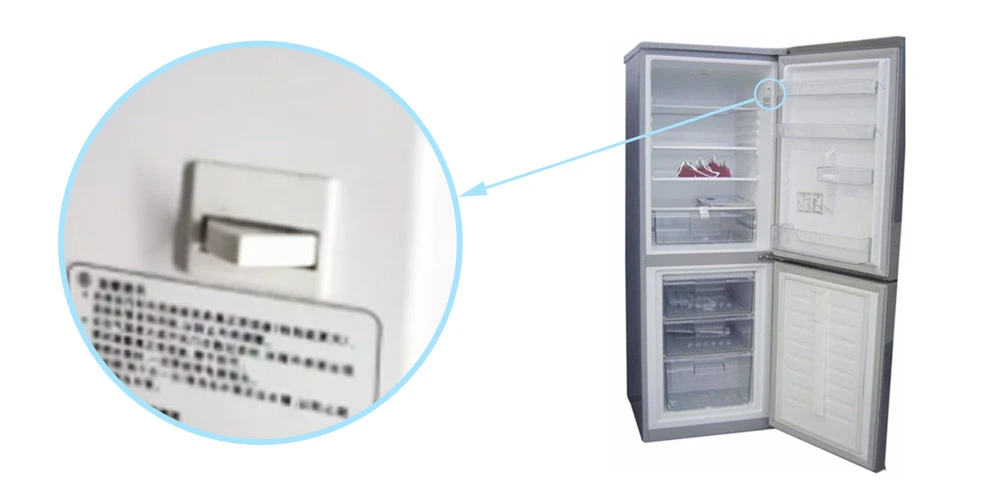
Some refrigerators disable the dispenser when the door is open.
Symptoms:
Interior lights behave abnormally
Water dispenser does not respond
Solution:
Inspect and replace the door switch if necessary.
Follow these troubleshooting steps:
Verify the refrigerator is connected to water.
Ensure the shut-off valve is open.
Inspect for bent or kinked tubing.
Install a new OEM filter if the current one is older than six months.
Unplug the refrigerator for 5 minutes.
Reconnect power.
Test the dispenser again.
Disconnect the dispenser tube and test water flow. If blocked, thaw the line.
Look for signs of electrical failure or blockage.
A multimeter can verify switch continuity.
Although any refrigerator can develop dispenser issues, users frequently report problems with the following models and brands:
Common causes include:
Frozen water lines
Defective water filters
Failed water inlet valves
Control board issues
Popular series:
Samsung Family Hub
Samsung RF28 Series
Samsung RF23 Series
Common issues include:
Air trapped in water lines
Filter housing problems
Dispenser switch failures
Popular models:
LG InstaView
LG French Door Refrigerators
LG Side-by-Side Refrigerators
Frequent causes:
Clogged filters
Frozen door tubing
Faulty inlet valves
Popular series:
Whirlpool WRX735SDHZ
Whirlpool WRS325SDHZ
Common failures:
Door switch problems
Water valve malfunctions
Electronic control faults
Popular models:
GE Profile Refrigerators
GE Cafe Series
Users often encounter:
Frozen water reservoirs
Faulty dispenser actuators
Filter-related restrictions
Common reasons:
Water pressure issues
Filter bypass failures
Defective dispenser controls
Typical causes:
Inlet valve failure
Frozen water line
Worn dispenser switch
Contact an appliance technician if:
The control board is faulty.
Electrical testing is required.
Water lines inside the cabinet are damaged.
The refrigerator is still under warranty.
Professional diagnosis can prevent unnecessary replacement of expensive parts.
When a fridge water dispenser stops working, the issue is often related to a clogged water filter, frozen water line, low water pressure, or a faulty water inlet valve. Before scheduling a repair, perform basic troubleshooting steps such as replacing the filter, checking the water supply, and inspecting the dispenser controls. These simple fixes resolve many common refrigerator water dispenser problems and can save both time and money.
A water dispenser may stop working due to a clogged water filter, frozen water line, low water pressure, faulty dispenser switch, or a malfunctioning water inlet valve.
Yes. An old or clogged water filter can restrict water flow, causing the dispenser to slow down or stop dispensing water altogether.
This can happen if the water supply is turned off, the water line is frozen or kinked, the filter is blocked, or a dispenser component has failed.
A frozen water line is often suspected when the ice maker continues to work normally but no water comes from the dispenser. Thawing the line may restore operation.
Yes. Insufficient household water pressure can prevent the dispenser and other water-related refrigerator functions from operating properly.
This may indicate a frozen water line, blocked filter, restricted water flow, or a faulty water inlet valve that is not allowing water to pass through.
If you’ve checked the water supply, replaced the filter, and inspected the water line but the dispenser still doesn’t work, professional service may be needed to diagnose electrical or mechanical component failures.
 Request Service
 (647) 492-7773
