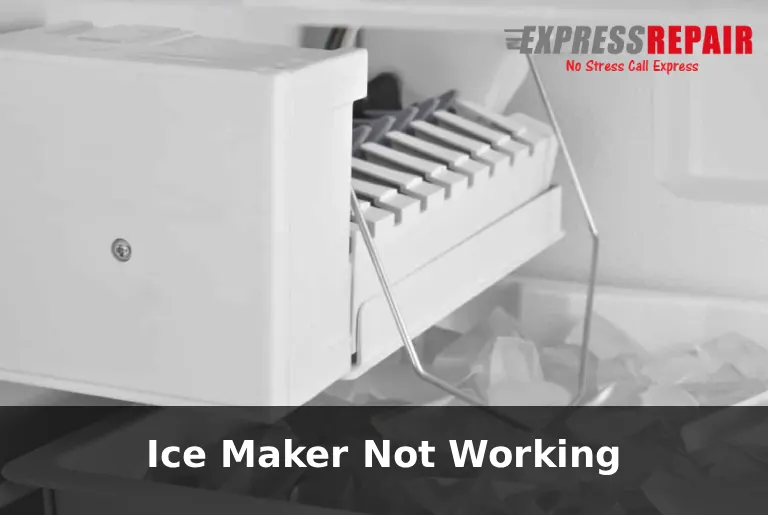
There’s nothing more frustrating than pressing your glass against the dispenser… and getting nothing. If your ice maker suddenly stops working, don’t panic. In most cases, the issue is simple and fixable without calling a technician.
This guide walks you through
common causes, step-by-step fixes, safety tips, and when to call for professional help. Our trained and experienced
fridge repair technicians can solve your issues for you as soon as possible.
First Things First: Quick Checks (5 Minutes or Less)
Before diving into tools and repairs, ask yourself:
- Is the ice maker turned ON?
- Is the freezer cold enough?
- Is the ice bin full or jammed?
- Was the fridge recently moved?
Many users report ice maker problems after moving the refrigerator or adjusting freezer settings.
1. Check the Ice Maker Power Switch
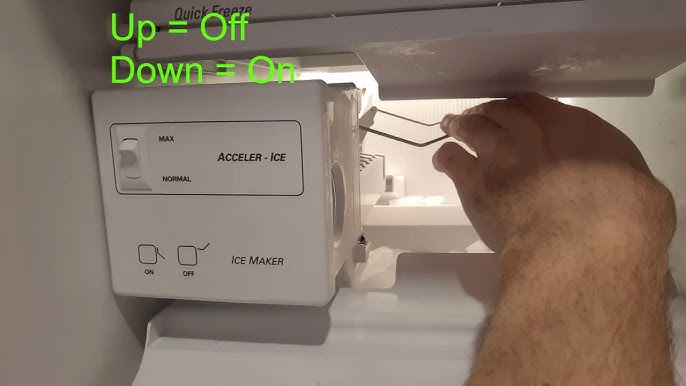
Some ice makers have:
- A small metal shutoff arm
- A toggle switch
- A control panel setting
Make sure:
- The arm is down
- The switch is in the ON position
- Ice maker is enabled in your refrigerator’s settings
Have you checked this yet? It’s the most common fix.
Time to check: 1–2 minutes
2. Is the Freezer Cold Enough?
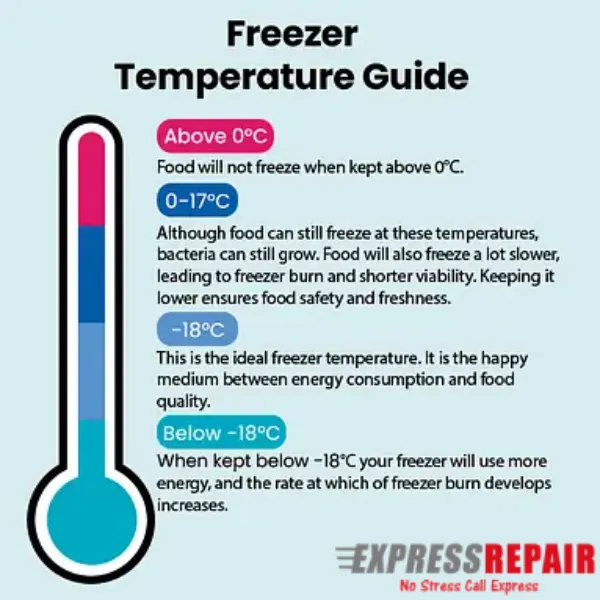
Ice makers need temperatures between
0°F and 5°F (-18°C to -15°C).
If the freezer is warmer:
- Ice won’t freeze properly
- The cycle won’t start
How to Fix It:
- Place a thermometer inside the freezer.
- Wait 2–3 hours.
- Adjust the temperature setting if needed.
- Make sure vents are not blocked by food.
⚠️
Safety Tip: Never overload the freezer. Poor airflow reduces cooling efficiency.
3. Check the Water Supply Line
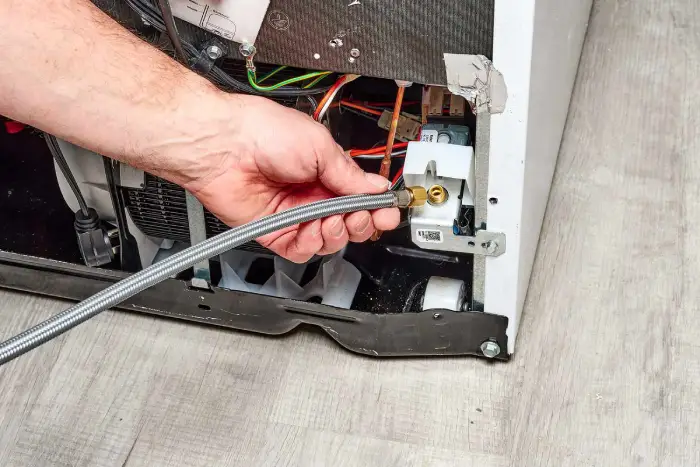
If no water enters the ice tray, no ice will form.
Signs of a water issue:
- No ice at all
- Very small cubes
- Ice maker humming but not filling
Step-by-Step:
- Pull the refrigerator slightly away from the wall.
- Locate the water supply line.
- Check for:
- Kinks
- Freezing
- Loose connections
- Make sure the water valve is fully open.
Pro Tip: Many ice makers stop working after replacing the fridge because the water line gets pinched behind it.
Tools: Flashlight, adjustable wrench
4. Replace the Water Filter
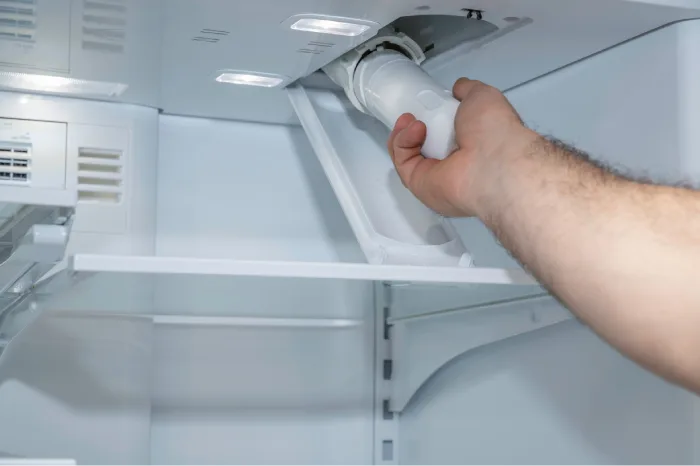
A clogged filter restricts water flow.
Most filters should be replaced every
6 months.
Symptoms of a clogged filter:
- Slow water dispensing
- Small ice cubes
- Hollow cubes
- No ice production
How to Replace:
- Locate the filter (inside fridge or bottom grille).
- Twist and remove.
- Insert new filter.
- Run water dispenser for 2–3 minutes to clear air.
If step 1 didn’t solve it, try this next.
5. Look for Ice Maker Jams
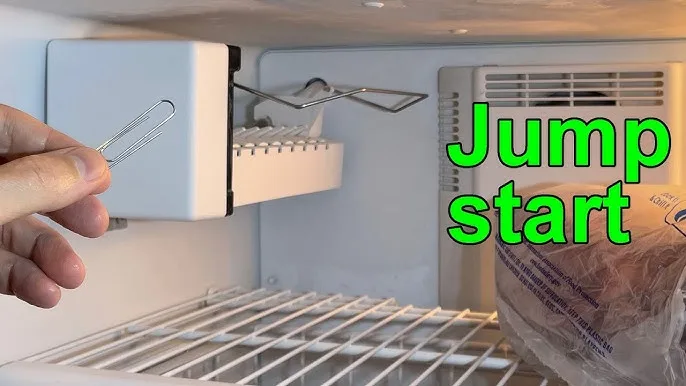
Sometimes ice gets stuck mid-cycle.
What to Check:
- Frozen clumps inside tray
- Ice blocking ejector arm
- Frost buildup
Fix:
- Turn off the ice maker.
- Remove the ice bin.
- Let it defrost for 15–30 minutes.
- Gently remove stuck ice (no sharp tools!).
⚠️
Warning: Never use knives or screwdrivers to chip ice — this can damage the mold.
6. Test the Water Inlet Valve
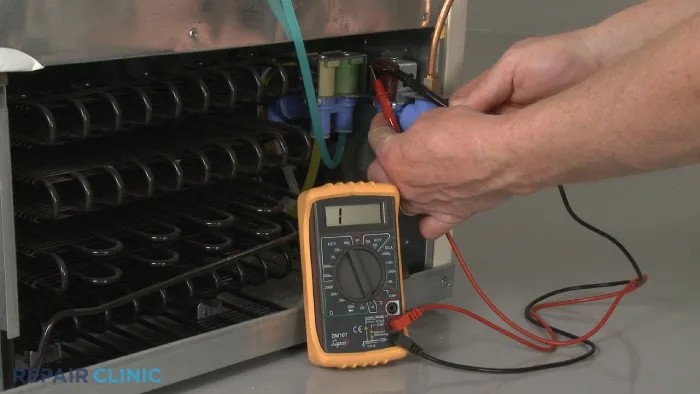
The water inlet valve controls water flow into the ice maker.
If faulty:
- No water enters tray
- Ice maker makes clicking noise
How to Check:
- Unplug the refrigerator.
- Turn off water supply.
- Locate valve (back bottom panel).
- Inspect for leaks or mineral buildup.
- Use a multimeter to test for continuity.
If there’s no continuity, the valve needs replacing.
⚠️ Always disconnect power before working on internal components.
7. Reset the Ice Maker
Many modern models have a reset button.
Look for:
- Small button underneath ice maker
- Control panel reset option
Hold for 10–15 seconds until:
- You hear a beep
- The tray cycles
Have you tried a reset yet? It often solves software glitches.
8. Could the Ice Maker Module Be Faulty?
If everything else checks out, the control module or motor may be bad.
Common signs:
- Ice maker doesn’t cycle
- No sound at all
- Stops mid-harvest
Replacing the module costs:
- $100–$250 for the part
- More if professionally installed
At this stage, consider whether repair cost is worth it.
When to Call a Professional
Call a technician if:
- Water leaks from behind fridge
- Electrical smell or burning odor
- Replacing internal parts feels unsafe
- The fridge is under warranty
Prevent Future Ice Maker Problems
- Replace filter every 6 months
- Keep freezer at proper temperature
- Avoid slamming freezer door
- Check water pressure (20–120 psi ideal)
- Clean ice bin monthly
Small maintenance prevents big repairs.
Quick Troubleshooting Summary
| Problem |
Most Likely Cause |
Fix |
| No ice at all |
Ice maker off |
Turn it on |
| Small cubes |
Clogged filter |
Replace filter |
| Ice stuck |
Jam |
Defrost tray |
| No water filling |
Bad valve |
Replace valve |
| Stops randomly |
Control issue |
Reset |
Available 7 am – 10 pm
including weekends and holidays



 Request Service
 (647) 492-7773
