
Few things trigger a domestic panic quite like walking into the kitchen and realizing your refrigerator has gone silent. Whether you’ve noticed a puddle on the floor or a warm interior, a fridge that has suddenly stopped working puts your groceries—and your budget—at risk.
While some issues require a professional technician, many common refrigerator problems are actually simple fixes you can handle yourself. This guide will walk you through the most likely culprits and how to get your appliance back to its chilly self. Our trained and experienced fridge repair technicians can solve your issues for you as soon as possible.
Before you start tearing apart the back panel, check the basics. It sounds simple, but you’d be surprised how often the solution is “free.”
Check the interior light. If the light is off, the unit isn’t getting power.
Sometimes the “off” switch is accidental. If you’ve recently moved items around, you might have bumped the temperature dial. Ensure the thermostat is set to the manufacturer’s recommended setting (usually around 3°C or 37°F).
If the lights are on but the air is warm, the problem is likely mechanical. Here are the most frequent offenders:
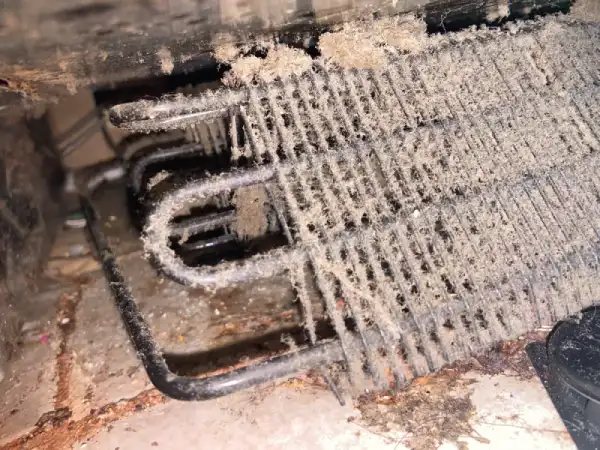
Condenser coils dissipate heat as refrigerant passes through them. If these coils (usually located at the bottom or back of the unit) are covered in dust, pet hair, or grime, the fridge can’t release heat efficiently. This causes the system to work harder until it eventually overheats and shuts down.
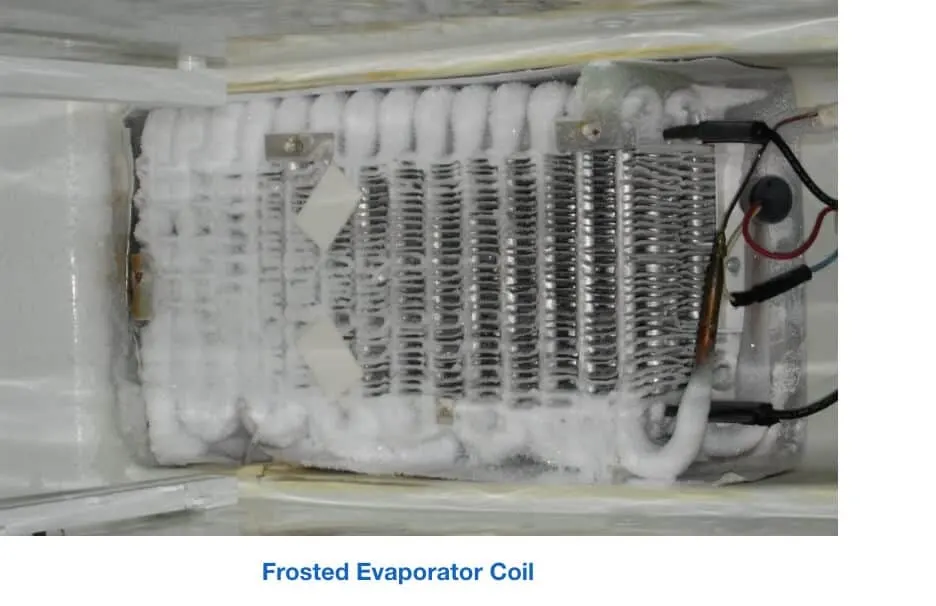
If you see ice buildup on the back wall of the freezer, your defrost system has likely failed. When the evaporator coils frost over, air cannot circulate through them to cool the rest of the unit.
Refrigerators rely on fans to move air. The evaporator fan (in the freezer) circulates cold air, while the condenser fan (near the compressor) keeps the unit from overheating. If you hear a loud chirping or squealing noise—or no noise at all—a fan motor may have burned out.
If the fans are spinning and the coils are clean, but the fridge is silent, you are likely looking at a “heart” problem.
The start relay is a small device that “kicks” the compressor into gear. If it fails, you may hear a repeated “click” sound every few minutes, but the compressor won’t start. This is a relatively inexpensive part to replace, but it requires handling electrical components.
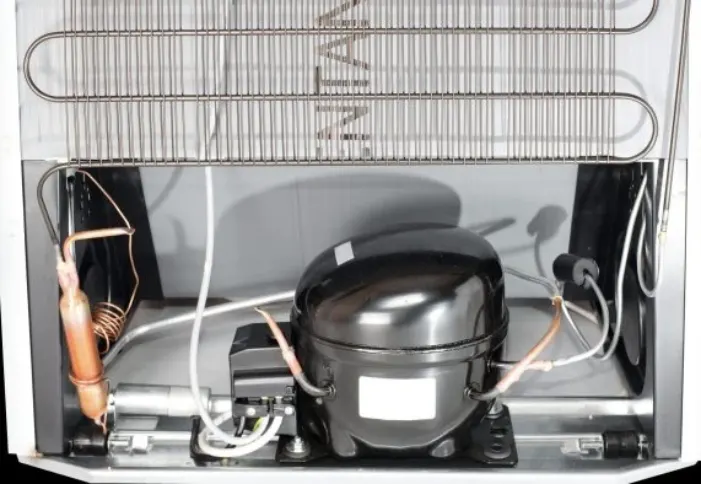
The compressor is the heart of the cooling system. If it has failed, the is often expensive—sometimes costing more than a new refrigerator. If you notice the fridge is humming but not cold, or if the compressor is extremely hot to the touch but the fridge is warm, it’s time to call an appliance expert for a definitive diagnosis.
 ExperienceLicensed technicians with over 25 years of experience
 WarrantyFull warranty
 ExcellenceWe offer 100% Satisfaction Guaranteed
Most modern refrigerators have a lifespan of 10 to 15 years. Regular maintenance of the coils and gaskets can extend this toward the 20-year mark.
This is usually a sign of a failing start relay or a compressor that is struggling to start. The clicking is the sound of the overload protector shutting the system down to prevent a fire.
If the leak is water inside the fridge, it’s likely a clogged defrost drain. You can usually clear this with warm water and a turkey baster. If the leak is oily, it could be a refrigerant leak, which requires a professional.
Use the “50% Rule.” If the repair cost is more than 50% of the price of a new unit and the fridge is over 8 years old, it is usually better to replace it with a more energy-efficient model.
This usually indicates an airflow issue. Check to see if food is blocking the vents between the freezer and the fridge, or if the evaporator fan has stopped working.
 Request Service
 (647) 492-7773

