A refrigerator should hum quietly in the background. If yours suddenly starts buzzing, rattling, knocking, or humming louder than usual, it’s hard to ignore. A noisy fridge can be annoying — but it can also be a warning sign that something isn’t working properly.
Before you panic or assume the worst, it’s important to understand that many refrigerator noises are completely normal. Others, however, indicate mechanical issues that need attention.
In this guide, we’ll walk you through:
- The most common causes of a loud fridge
- Step-by-step troubleshooting you can safely do yourself
- Signs that it’s time to schedule professional fridge repair
- How to prevent future noise problems
Let’s start by identifying the type of sound you’re hearing.
Step 1: Identify the Type of Noise
Different sounds usually point to different components. Here’s what to listen for:
- Buzzing or humming – Often related to the compressor or fan
- Rattling – Could be loose parts or the fridge touching the wall
- Clicking – May indicate a start relay issue
- Knocking or banging – Usually fan blades hitting ice buildup
- High-pitched squealing – Possible evaporator fan motor problem
- Gurgling – Often normal refrigerant movement
Once you identify the sound, you can narrow down the source.
Step 2: Check the Easy Fixes First
Before pulling the fridge apart, always start with simple checks.
1. Make Sure the Fridge Is Level
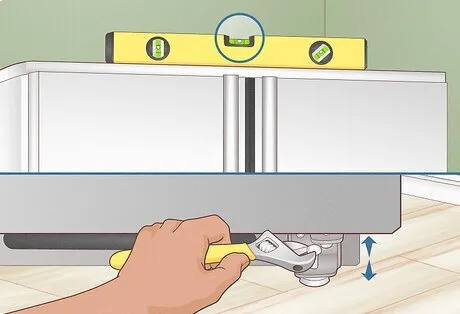
A refrigerator that isn’t level can vibrate and create rattling noises.
How to fix it:
- Pull the fridge slightly away from the wall.
- Use a level tool on top of the unit.
- Adjust the front leveling legs by turning them clockwise or counterclockwise.
- Ensure the fridge tilts slightly backward (this helps doors close properly).
A small adjustment can dramatically reduce noise.
2. Check for Contact With Walls or Cabinets
Sometimes the noise isn’t internal at all.
Inspect:
- Is the back of the fridge touching the wall?
- Are water lines vibrating against the cabinet?
- Are side panels pressed against cupboards?
Fix:
Leave at least 1–2 inches of clearance around the unit and secure loose water lines with clips or insulation foam.
3. Inspect the Drain Pan
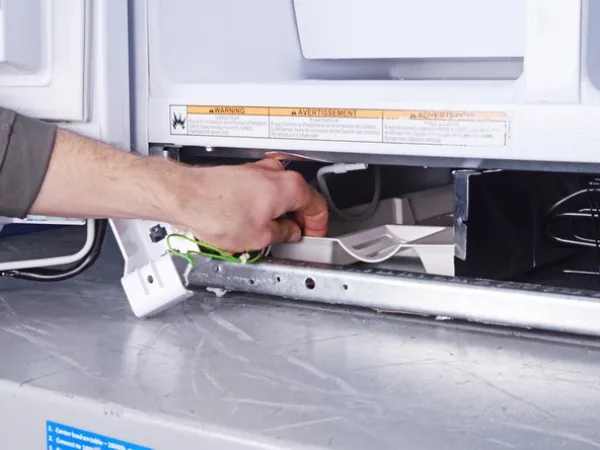
The drain pan underneath the fridge can become loose and vibrate.
How to fix it:
- Unplug the refrigerator.
- Remove the bottom front or rear access panel.
- Check if the drain pan is seated properly.
- Tighten screws or reposition it.
Plug the fridge back in and see if the noise stops.
Step 3: Check the Condenser Fan (Common Cause)
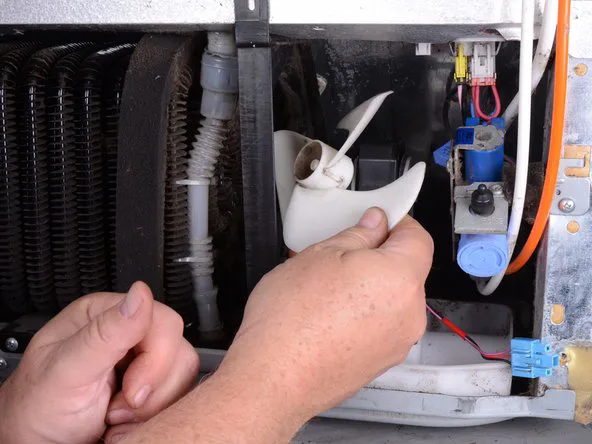
The condenser fan is located at the back or bottom of the refrigerator. It cools the compressor and runs whenever the compressor is active.
If it’s clogged with dust or damaged, it can make loud buzzing or rattling sounds.
How to fix it:
- Unplug the fridge.
- Remove the rear panel.
- Inspect the fan blades for debris.
- Clean dust buildup using a brush or vacuum.
- Spin the fan manually — it should move smoothly.
If the fan wobbles or makes grinding sounds, the motor may need replacement.
Step 4: Inspect the Evaporator Fan (Inside Freezer)
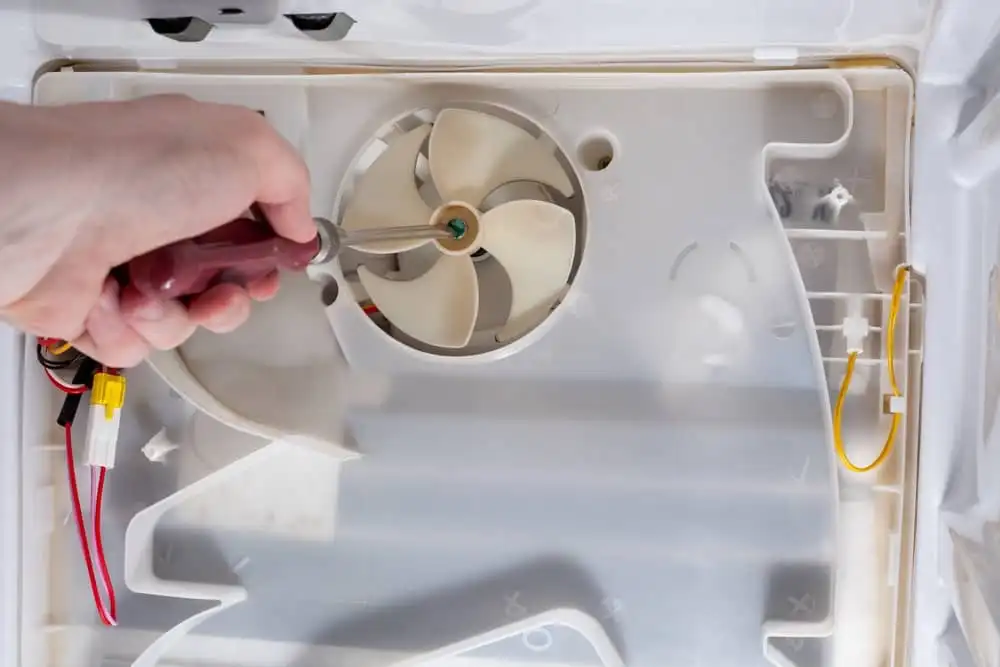
If the noise gets louder when you open the freezer door, the evaporator fan is likely the issue.
This fan circulates cold air throughout the fridge. Ice buildup or a failing motor can cause:
- Squealing
- Chirping
- Grinding
- Clicking
How to fix it:
- Unplug the refrigerator.
- Remove freezer shelves.
- Unscrew the back freezer panel.
- Check for ice buildup around the fan.
- Defrost manually if needed (leave fridge unplugged for several hours).
If the noise continues after defrosting, the fan motor likely needs replacement.
Step 5: Compressor Problems
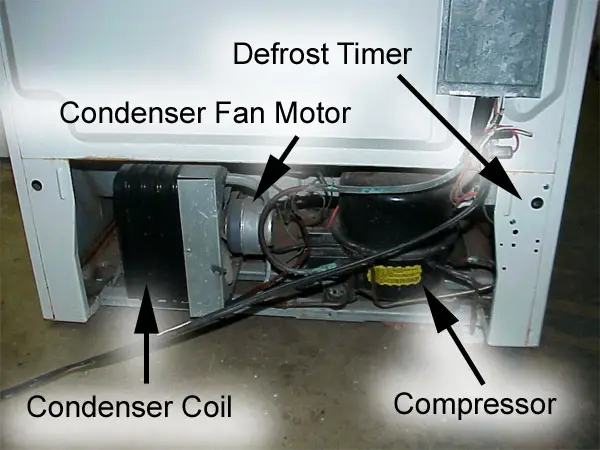
The compressor is the heart of your refrigerator. It naturally makes a low humming sound — that’s normal.
However, loud buzzing, knocking, or clicking can indicate:
- Failing start relay
- Compressor overheating
- Internal mechanical failure
Compressor repairs are not DIY-friendly. If you suspect compressor issues, this is the time to
call professionals for proper
fridge repair.
Available 7 am – 10 pm
including weekends and holidays



 Request Service
 (647) 492-7773

