My Fridge/Freezer Door Is Not Shutting Properly (DIY Troubleshooting Guide)
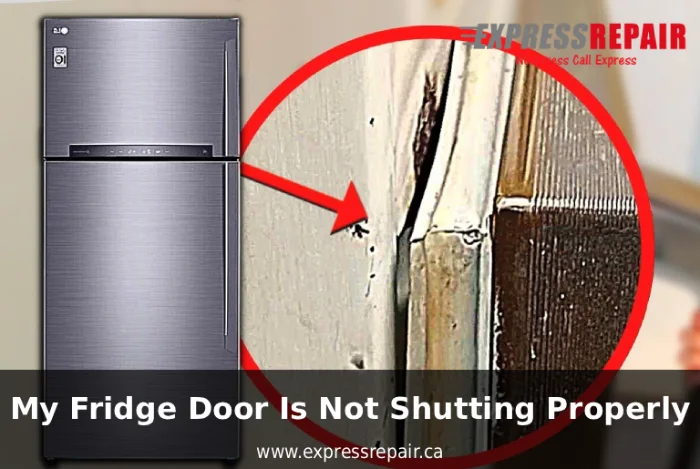
When a fridge or freezer door won’t close properly, the most common causes are
a worn door gasket, misaligned hinges, overfilled shelves, or debris blocking the seal. These issues allow cold air to escape, forcing the compressor to run longer and increasing electricity usage. In many cases, homeowners can fix the issue in
10–30 minutes with basic tools.
If you prefer professional help, you can schedule
fridge repair or use the
online booking system to submit a request.
Fast Diagnostics
| Symptom |
Likely Cause |
Tool Needed |
DIY Difficulty (1–5) |
| Door pops open after closing |
Overloaded shelves or uneven fridge |
Level, hand adjustment |
2 |
| Door won’t stay sealed |
Worn or dirty gasket |
Warm water, cloth |
3 |
| Door sits crooked |
Loose or bent hinge |
Screwdriver, wrench |
4 |
| Door closes but leaves gaps |
Warped gasket or frame |
Hair dryer, cloth |
5 |
| Freezer frosting heavily |
Door not sealing fully |
Flashlight |
4 |
| Fridge beeping door alarm |
Door sensor blocked |
None or screwdriver |
3 |
Step-by-Step Fixes
1. Check for Obstructions Inside the Fridge
The
most common reason doors won’t close properly is items blocking the door.
Steps:
- Open the fridge fully.
- Inspect shelves and door bins.
- Look for:
- Large containers pushing the door outward.
- Misaligned shelves.
- Food packages caught between the door and frame.
- Rearrange items so the door closes without resistance.
- Close the door slowly and observe the seal.
Technician Tip
- Tall milk cartons or soda bottles in the door bins frequently cause this issue.
2. Clean the Door Gasket (Seal)
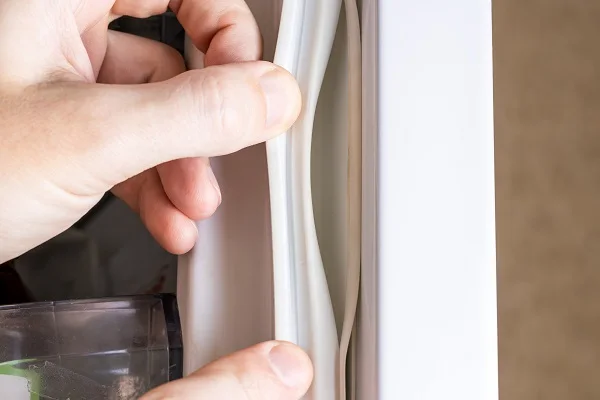
A dirty gasket prevents the magnetic seal from gripping the frame.
Steps:
- Mix warm water with mild dish soap.
- Wipe the gasket using a soft cloth.
- Focus on:
- Creases
- Corners
- Bottom section (often collects crumbs)
- Dry the gasket completely.
- Test the seal.
Seal Test
- Place a piece of paper in the door.
- Close the door.
- If the paper slides out easily, the gasket may be worn.
3. Fix a Warped Door Gasket
Gaskets sometimes deform from heat or long use.
Steps:
- Set a hair dryer to low heat.
- Warm the warped section for 20–30 seconds.
- Gently pull the gasket outward.
- Close the door and allow the seal to cool.
This often restores the original shape.
4. Tighten or Adjust Door Hinges
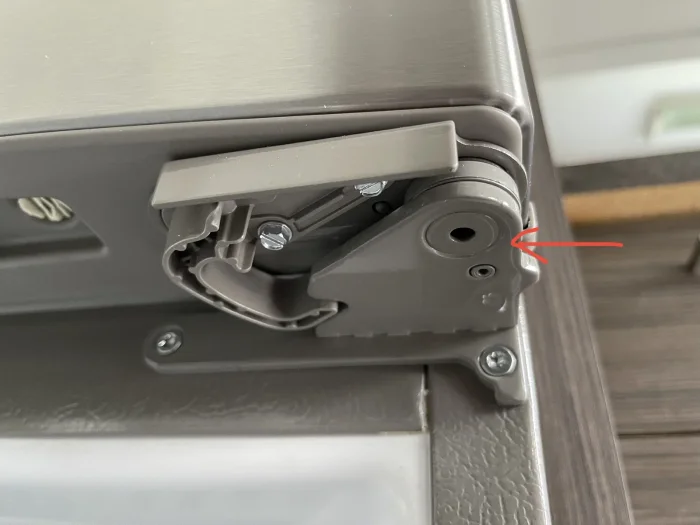
If the door looks crooked or drops slightly when opened, the hinges may be loose.
Steps:
- Unplug the refrigerator.
- Open the door and locate the hinge screws.
- Use a screwdriver or socket wrench to tighten them.
- Check both:
- Top hinge
- Middle hinge (if present)
- Close the door and verify alignment.
Signs of hinge issues
- Door scraping the cabinet.
- Uneven gap at the top or bottom.
5. Level the Refrigerator
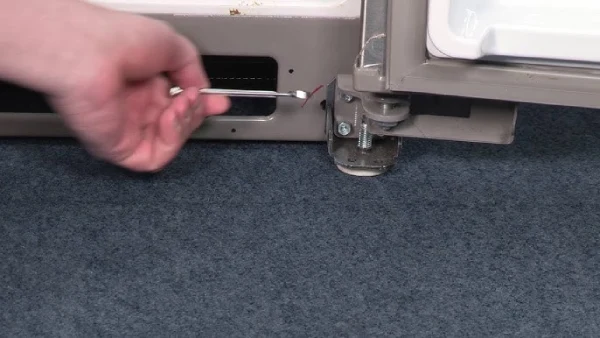
A refrigerator must lean slightly
backwards for the door to close automatically.
Steps:
- Place a level on top of the fridge.
- Locate the adjustable feet at the front.
- Turn the feet clockwise to raise them.
- Aim for a slight backward tilt (about 1–2°).
- Test the door again.
6. Inspect the Door Sensor and Alarm
Modern refrigerators may trigger alarms when the door sensor fails.
Steps:
- Locate the door switch near the hinge or frame.
- Press it manually.
- Listen for the light turning off or alarm stopping.
- Clean debris around the switch.
Specific Error Codes (Common Brands)
Error Code: E15
- Indicates water leakage triggering the safety system.
- Sometimes occurs if the door stays open too long.
Fix
- Turn off power for 10 minutes.
- Dry the bottom tray.
- Check the door seal.
Error Code: 40E / 21E
- Freezer fan or airflow issue often caused by ice buildup from poor sealing.
Fix
- Defrost the freezer for 24 hours.
- Inspect the gasket.
Error Code: dH
- Defrost heater issue often triggered by excess moisture from an open door.
Fix
- Check door alignment and seal integrity.
If codes persist, it’s best to request professional
fridge repair.
When to Call a Technician
DIY fixes won’t help if you notice:
- Door frame bent
- Hinge bracket cracked
- Magnetic gasket completely worn
- Persistent frost buildup
- Error codes returning after reset
In these cases, schedule service through
online booking or submit a request for faster diagnosis.
Preventative Maintenance Tips
- Clean door gaskets every 3 months.
- Avoid overloading door shelves.
- Ensure the fridge stays level after moving.
- Replace gaskets every 5–8 years.
- Keep food packaging from touching the seal.
My Fridge/Freezer Door Is Not Shutting Properly (DIY Troubleshooting Guide) Frequently Questions People Ask Us
This usually happens when the refrigerator is not level or overloaded. If the unit tilts forward even slightly, gravity will cause the door to swing open.
Common signs include:
- Cracks or tears in the rubber
- Mold buildup
- Weak magnetic pull
- Paper slipping out during the seal test
Yes. Most gaskets are snap-in or screw-mounted and can be replaced in 15–30 minutes using only a screwdriver.
Frost usually means warm air is entering through a faulty seal or partially open door, causing condensation to freeze.
Yes, but only on low heat and for short periods to reshape warped rubber.
 Request Service
 (647) 492-7773
