
A bad-smelling dishwasher can make your entire kitchen unpleasant. If your dishwasher smells like rotten eggs, sewage, mold, or mildew, it's usually a sign that food debris, grease, bacteria, or standing water has built up inside the appliance. Whether you own a Bosch, Whirlpool, GE, Samsung, LG, KitchenAid, Maytag, Frigidaire, Miele, or Electrolux dishwasher, unpleasant odors are a common issue that can often be resolved with proper cleaning and maintenance.
Dishwashers clean dirty dishes every day, but food particles, grease, detergent residue, and moisture can accumulate inside the appliance. Without regular maintenance, bacteria and mold begin to grow, creating unpleasant odors.
The source of the smell may come from several different components.
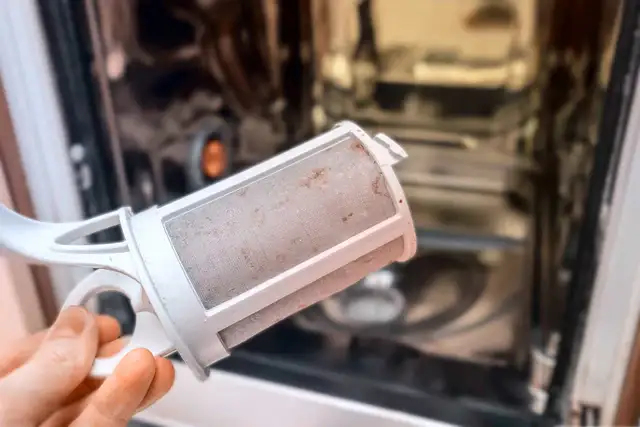
The dishwasher filter traps food particles to prevent them from clogging the drain system. Over time, the filter can become coated with grease, food residue, and bacteria.
Rotten food smell
Slow draining
Food particles left on dishes
Cloudy water inside the tub
Remove the filter according to your owner's manual and wash it with warm water, dish soap, and a soft brush. Cleaning the filter once a month helps prevent odors and improves cleaning performance.
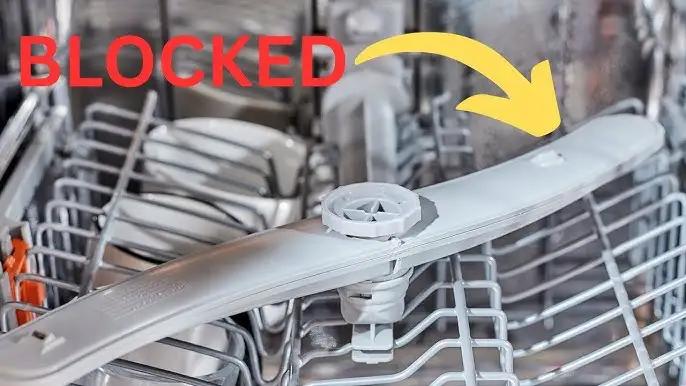
Small food particles can clog the holes in the spray arms, creating hidden areas where bacteria multiply.
Remove the spray arms if possible and rinse them thoroughly. Use a toothpick or soft brush to clear blocked spray holes.
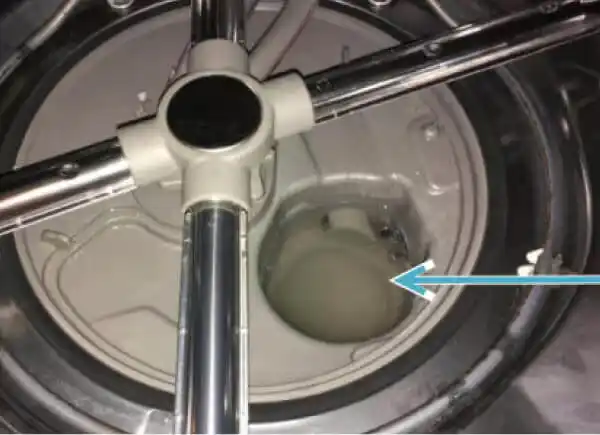
If water remains in the bottom after a cycle, bacteria quickly begin to grow.
Common causes include:
Clogged drain filter
Blocked drain hose
Faulty drain pump
Garbage disposal blockage
Air gap obstruction
Standing water should always be investigated immediately.
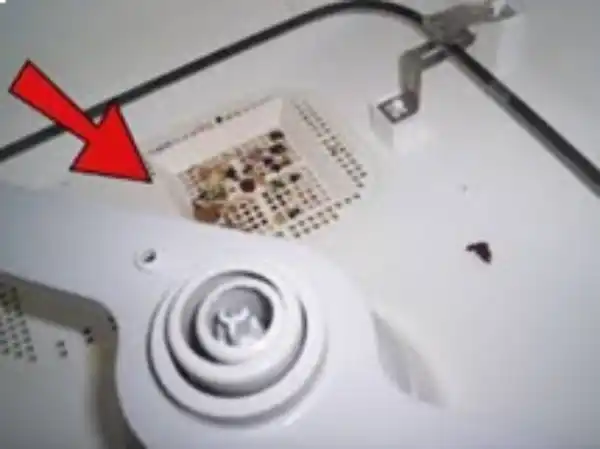
Dishwashers provide the warm, moist environment that mold loves.
Mold commonly develops around:
Door gasket
Door hinges
Detergent dispenser
Bottom corners
Interior seams
Wipe all rubber seals and hidden areas with a soft cloth and a mild cleaning solution. Leave the dishwasher door slightly open after each cycle to allow moisture to escape.
Even though dishwashers clean dishes, grease can gradually coat the interior walls, spray arms, and drain system.
Running a dishwasher cleaner every one to two months helps remove grease, soap scum, and odor-causing residue.

The drain hose carries wastewater to the sink drain or garbage disposal.
If the hose becomes clogged or develops a partial blockage, dirty water may remain inside the dishwasher, creating a foul odor.
A professional inspection may be required if the hose cannot be cleaned easily.
If your dishwasher drains through a garbage disposal, food waste inside the disposal can produce unpleasant smells that travel back into the dishwasher.
Run the garbage disposal before starting the dishwasher and clean it regularly to reduce odors.
Hard water leaves mineral deposits that trap grease, detergent, and bacteria.
Symptoms include:
White residue
Chalky buildup
Musty odor
Reduced cleaning performance
Using a dishwasher cleaner and rinse aid regularly helps minimize mineral buildup.
If your dishwasher smells unpleasant, follow these steps:
Clean the dishwasher filter.
Wash the spray arms.
Wipe the door gasket and interior walls.
Remove standing water.
Run an empty hot-water cycle with a dishwasher cleaner.
Clean the drain area.
Leave the door slightly open after each cycle.
Regular cleaning usually eliminates most odors.
To keep your dishwasher smelling fresh:
Clean the filter every month.
Scrape large food particles from dishes before loading.
Use high-quality dishwasher detergent.
Run hot water before starting a cycle.
Use rinse aid if you have hard water.
Clean the dishwasher with a dishwasher cleaner every one to two months.
Leave the door open slightly after each wash.
These simple habits help prevent bacteria, mold, and unpleasant odors.
If your dishwasher still smells bad after thorough cleaning, the problem may involve:
A blocked drain hose
Drain pump failure
Sewer gas entering through the plumbing
Improper dishwasher installation
Persistent standing water caused by drainage issues
A qualified appliance repair technician can inspect the dishwasher and identify the underlying cause.
A dishwasher that smells bad is usually suffering from food buildup, grease, mold, or poor drainage rather than a major mechanical failure. Regular cleaning of the filter, spray arms, door gasket, and drain system can eliminate most unpleasant odors before they become serious.
Whether you own a Whirlpool, Samsung, LG, GE, Frigidaire, KitchenAid, and Maytag dishwasher, consistent maintenance is the best way to keep your appliance running efficiently and your kitchen smelling fresh.
A bad smell after a wash cycle is usually caused by food debris trapped in the filter, spray arms, or drain. Standing water, grease buildup, mold, or a clogged drain hose can also create unpleasant odors.
A rotten egg smell is often caused by bacteria growing on food residue or standing water inside the dishwasher. In some cases, the odor may come from the garbage disposal or sewer gases entering through the drain system.
A sewage smell may indicate a clogged drain hose, blocked air gap, dirty garbage disposal, or improper drain hose installation that allows sewer gases to enter the dishwasher. If the smell persists after cleaning, the drainage system should be inspected.
Yes. The dishwasher filter collects food particles and grease that can begin to decompose over time. Cleaning the filter at least once a month helps eliminate odors and improves cleaning performance.
Start by cleaning the filter, spray arms, door gasket, and drain area. Then run an empty hot-water cycle using a dishwasher cleaner. Leaving the dishwasher door slightly open after each cycle also helps prevent moisture buildup and odors.
Yes. The warm and humid environment inside a dishwasher is ideal for mold and mildew growth, especially around the door gasket, detergent dispenser, and interior corners. Regular cleaning helps prevent mold from developing.
Book online and save $25, or call and talk to a technician now.
 Request Service
 (647) 492-7773
