

If your dishwasher is overflowing, don't ignore the problem. Water spilling onto your kitchen floor can damage cabinets, flooring, and nearby appliances. Whether you own a Whirlpool, Samsung, LG, GE, Frigidaire, KitchenAid, and Maytag dishwasher, an overflow is a common issue that can often be fixed with proper troubleshooting.
This guide explains why a dishwasher overflows, how to stop it safely, and which components should be inspected before calling a professional.
A dishwasher overflows when it allows more water into the tub than it can safely hold or when it cannot drain properly. The problem may be caused by a faulty water level control, a blocked drain system, or a malfunctioning internal component.
Below are the most common causes.
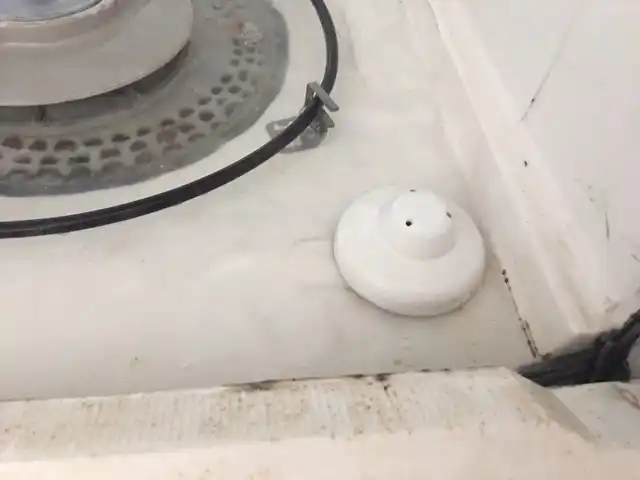
The float switch monitors the water level inside the dishwasher. As the tub fills, the float rises and signals the water inlet valve to stop filling.
If the float becomes stuck or the switch fails:
The dishwasher may continue filling with water.
Water can overflow onto the kitchen floor.
The wash cycle may not stop correctly.
Inspect the float for food debris or mineral buildup. Make sure it moves freely. If the switch is defective, it should be replaced.
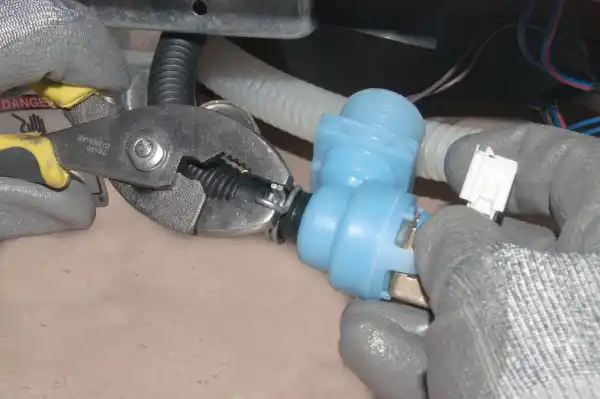
The water inlet valve controls how much water enters the dishwasher.
If the valve sticks open:
Too much water enters the tub.
The dishwasher may overflow even when turned off.
Water levels become unusually high.
Replacing the inlet valve usually solves this problem.
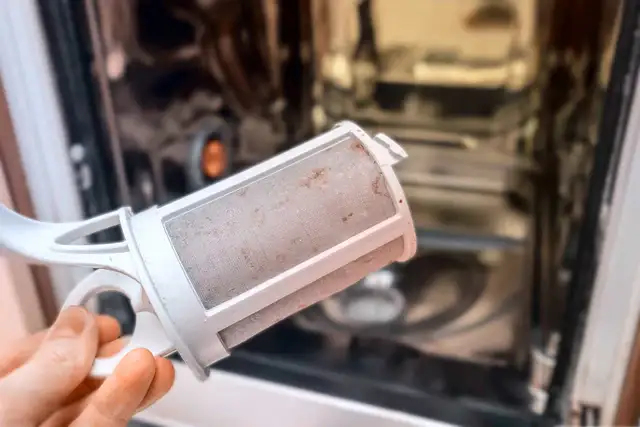
A dirty dishwasher filter can restrict water flow and slow draining.
Symptoms include:
Standing water
Overflow during the drain cycle
Food debris left inside the tub
Clean the filter regularly to maintain proper drainage.

The drain hose carries wastewater to the sink drain or garbage disposal.
If the hose is clogged or kinked:
Water cannot drain properly.
Water backs up inside the dishwasher.
Overflow may occur during the wash or drain cycle.
Inspect the hose for blockages and ensure it is properly installed.
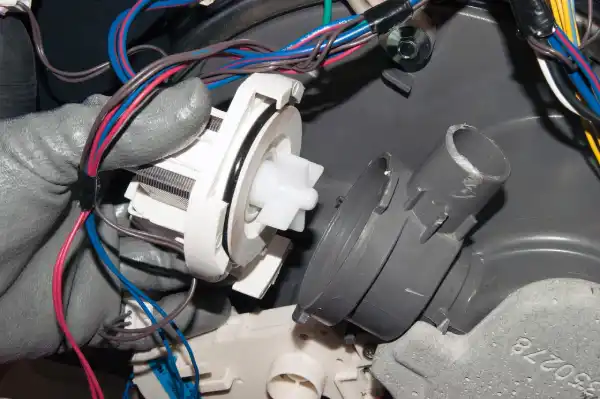
The drain pump removes dirty water at the end of each cycle.
A failing pump may:
Leave standing water in the tub.
Cause repeated overflows.
Produce unusual grinding or humming noises.
A damaged pump typically requires replacement.
Many dishwashers drain through the kitchen garbage disposal or an air gap.
If either becomes clogged:
Water backs up into the dishwasher.
Overflow can occur during draining.
Dirty water may remain inside the tub.
Cleaning these components often restores proper drainage.
Using regular dish soap instead of automatic dishwasher detergent creates excessive suds.
Too many suds can:
Push water out of the door.
Trigger overflow.
Reduce washing performance.
Always use detergent specifically designed for automatic dishwashers.
The electronic control board manages water filling and draining cycles.
If the control board malfunctions:
The dishwasher may overfill.
Water may not stop entering the tub.
Error codes may appear on the display.
Professional diagnosis is usually required.
If your dishwasher begins overflowing:
Turn off the dishwasher immediately.
Shut off the water supply if necessary.
Remove standing water with towels or a wet vacuum.
Clean the filter and inspect the drain.
Check that the float moves freely.
Examine the drain hose for blockages.
Restart the dishwasher only after identifying the cause.
Prompt action can help prevent water damage.
Regular maintenance greatly reduces the risk of overflowing.
Follow these tips:
Clean the filter every month.
Inspect the float switch regularly.
Use only automatic dishwasher detergent.
Keep the spray arms clean.
Check the drain hose for kinks or blockages.
Clean the garbage disposal before running the dishwasher.
Run a dishwasher cleaner every one to two months.
Preventive maintenance helps ensure reliable operation.
You should contact an appliance repair technician if:
The dishwasher continues to overflow after cleaning the filter.
The water inlet valve won't shut off.
The drain pump isn't working.
The electronic control board has failed.
You notice recurring leaks or electrical issues.
Professional diagnosis can prevent expensive water damage and ensure safe repairs.
A dishwasher overflowing is often caused by a stuck float switch, faulty water inlet valve, clogged filter, blocked drain hose, or drain pump failure. Fortunately, many of these issues can be resolved through regular maintenance and timely repairs.
Whether you own a Bosch, Whirlpool, Samsung, LG, GE, KitchenAid, Maytag, Frigidaire, Electrolux, or Miele dishwasher, identifying the source of the overflow early can protect your home from water damage and extend the life of your appliance.
A dishwasher usually overflows because of a stuck float switch, faulty water inlet valve, clogged drain filter, blocked drain hose, or a malfunctioning drain pump. These problems can prevent the dishwasher from controlling the water level properly.
Turn off the dishwasher immediately and, if necessary, shut off the water supply. Remove any standing water, clean the filter, inspect the float switch, and check the drain hose for blockages before using the appliance again.
Yes. A clogged filter restricts water flow and prevents proper drainage. As water backs up inside the tub, it can eventually overflow onto the kitchen floor.
The float switch monitors the water level inside the dishwasher. When the correct water level is reached, it signals the water inlet valve to stop filling. If the float is stuck or the switch fails, the dishwasher may continue filling and overflow.
Overflowing during the drain cycle is often caused by a clogged drain hose, blocked garbage disposal, dirty air gap, or a faulty drain pump that prevents wastewater from leaving the dishwasher efficiently.
Yes. Regular dish soap creates excessive suds that can force water and foam out of the dishwasher door. Always use detergent specifically designed for automatic dishwashers.
Book online and save $25, or call and talk to a technician now.
 Request Service
 (647) 492-7773
