
If your dishwasher doesn't dry dishes, you're not alone. Many homeowners notice that dishes come out wet even though the wash cycle finishes successfully. Whether you own a Whirlpool, Samsung, LG, GE, Frigidaire, KitchenAid, and Maytag dishwasher, poor drying performance is a common problem that can often be resolved without replacing the appliance.
This guide explains why your dishwasher isn't drying dishes properly, how to troubleshoot the issue, and what you can do to improve drying performance.
Dishwashers rely on heat, proper airflow, and rinse aid to dry dishes effectively. If any of these systems fail, dishes may remain wet at the end of the cycle.
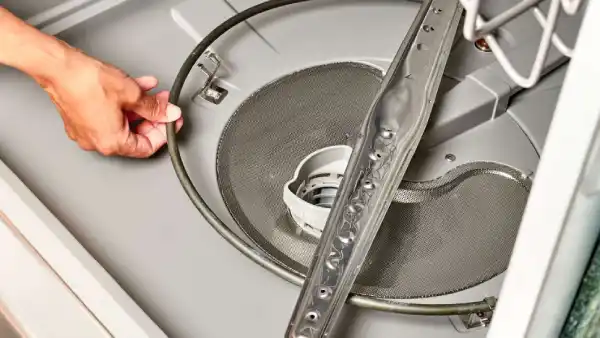
The heating element warms the water during the wash cycle and helps evaporate moisture during the drying cycle.
Signs of a faulty heating element include:
Dishes remain completely wet.
Plastic containers have water droplets.
The dishwasher interior feels cool after the cycle.
A damaged heating element usually needs to be replaced.
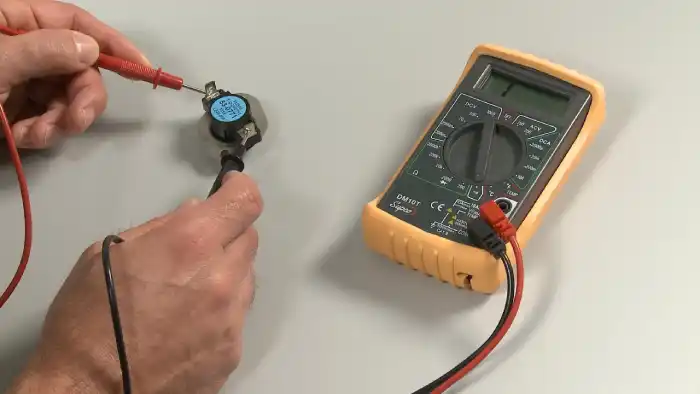
The high-limit thermostat protects the dishwasher from overheating.
If it fails, the heating element may never receive power, preventing proper drying.
A technician can test the thermostat with a multimeter and replace it if necessary.
Many modern dishwashers rely on rinse aid to improve drying performance.
Rinse aid:
Reduces water surface tension.
Helps water sheet off dishes.
Prevents water spots.
Speeds up evaporation.
Refill the rinse aid dispenser regularly for better drying results.
Many energy-efficient wash cycles use lower temperatures and shorter drying times.
If dishes consistently come out wet, try selecting:
Heated Dry
Sanitize
Heavy Duty
Auto Cycle (if equipped with heated drying)
These cycles generally provide better drying performance.
Poor loading can trap water inside cups, bowls, and plastic containers.
For best results:
Angle cups downward.
Avoid nesting dishes.
Leave space between items.
Place plastic containers on the top rack.
Proper loading improves airflow during the drying cycle.
Plastic doesn't retain heat as well as glass, ceramic, or stainless steel.
As a result, plastic items often remain wet even when the dishwasher is functioning normally.
This is especially common in energy-efficient dishwasher models.
Some dishwashers use a drying fan or vent assembly to remove moist air during the drying cycle.
If the vent doesn't open or the fan stops working:
Moisture stays inside the tub.
Dishes remain wet.
Condensation builds up on the interior walls.
Replacing a faulty vent or fan restores proper drying performance.
The electronic control board manages the dishwasher's heating and drying functions.
If the control board fails:
The drying cycle may be skipped.
The heating element may never activate.
Error codes may appear on the display.
Electronic issues often require professional diagnosis.
Hard water can interfere with drying by leaving mineral deposits on dishes and reducing the effectiveness of rinse aid.
Using a dishwasher cleaner and maintaining adequate rinse aid levels can improve results.
Follow these maintenance tips:
Always use rinse aid.
Select the Heated Dry option when available.
Avoid overloading the dishwasher.
Load dishes correctly for better airflow.
Clean the filter monthly.
Inspect the heating element for damage.
Leave the door slightly open after the cycle to release steam.
These simple steps can significantly improve drying performance.
If your dishwasher still doesn't dry dishes after basic troubleshooting, the problem may involve:
Heating element failure
High-limit thermostat malfunction
Drying fan failure
Vent assembly problems
Electronic control board issues
A qualified appliance repair technician can diagnose and replace faulty components safely.
A dishwasher that doesn't dry dishes isn't always a sign of a major failure. In many cases, the problem is caused by low rinse aid levels, incorrect loading, or selecting an energy-saving cycle. However, if the heating element, thermostat, vent, or control board has failed, professional repair may be necessary.
Whether you own a Bosch, Whirlpool, Samsung, LG, GE, KitchenAid, Maytag, Frigidaire, Electrolux, or Miele dishwasher, routine maintenance and prompt troubleshooting can help restore efficient drying performance and keep your appliance operating at its best.
The most common causes include a faulty heating element, a defective high-limit thermostat, low rinse aid levels, a broken drying fan, or using an energy-saving wash cycle that doesn’t include heated drying.
Dishes may remain wet because the dishwasher isn’t generating enough heat, the rinse aid dispenser is empty, or items are loaded in a way that traps water. Plastic containers also tend to retain moisture longer than glass or ceramic dishes.
Yes. The heating element is responsible for heating the water and assisting with the drying cycle. If it fails, dishes may come out completely wet at the end of the wash.
Yes. Rinse aid reduces the surface tension of water, allowing it to run off dishes more easily. This improves drying performance, reduces water spots, and helps prevent streaks on glassware.
Eco cycles use lower water temperatures and shorter drying times to conserve energy. While efficient, they often leave more moisture on dishes than cycles with a Heated Dry or Sanitize option.
Book online and save $25, or call and talk to a technician now.
 Request Service
 (647) 492-7773
