
If your dishes come out of the dishwasher dirty, you're not alone. Whether you own a Whirlpool, Samsung, LG, GE, Frigidaire, KitchenAid, and Maytag dishwasher, poor cleaning performance is a common issue. Food residue, cloudy glasses, grease, or white spots can indicate that your dishwasher isn't operating efficiently.
This guide explains why your dishwasher isn't cleaning dishes properly, how to troubleshoot the problem, and what you can do to restore sparkling clean results.
Several factors can affect your dishwasher's cleaning performance. The most common causes include clogged spray arms, a dirty filter, hard water buildup, or incorrect loading techniques.
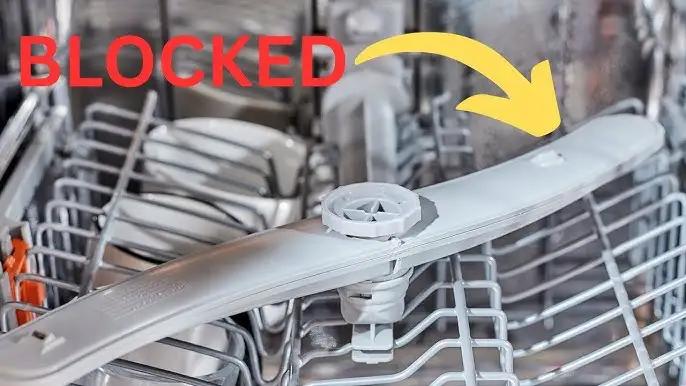
The spray arms distribute water throughout the dishwasher. If the spray holes become clogged with food particles or mineral deposits, water pressure decreases and dishes remain dirty.
Signs:
Food stuck on plates
Dirty dishes on the top rack
Uneven cleaning results
Solution:
Remove the spray arms and clean the holes using warm water, a soft brush, or a toothpick.
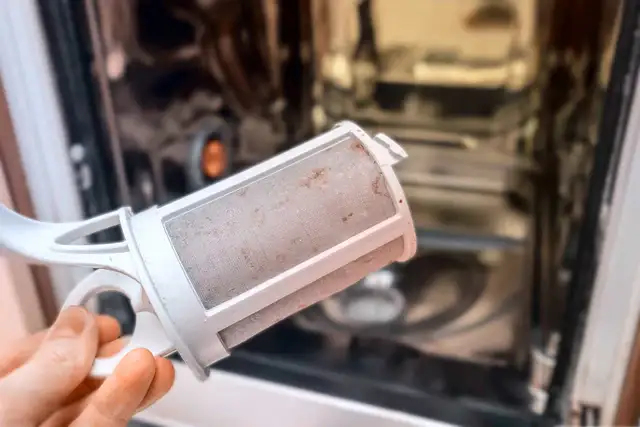
Most modern dishwashers have a removable filter that traps food debris.
A clogged filter can:
Reduce water circulation
Leave food particles on dishes
Cause unpleasant odors
Solution:
Clean the filter every month under warm running water with mild dish soap.
Improper loading blocks water from reaching every dish.
Avoid:
Overloading the racks
Nesting bowls together
Blocking the spray arms
Placing large pots in front of the detergent dispenser
Always follow the loading recommendations in your dishwasher's user manual.
For optimal cleaning, water should reach approximately 120°F (49°C).
If the water isn't hot enough:
Grease won't dissolve properly.
Detergent may not activate completely.
Food residue can remain on dishes.
Run the hot water at your kitchen sink before starting a wash cycle.
Not all detergents perform equally.
Choose a high-quality automatic dishwasher detergent or detergent pods designed for your dishwasher model.
Never use regular dish soap, as it creates excessive foam and can reduce cleaning performance.
Hard water leaves mineral residue on dishes, glasses, spray arms, and internal components. Over time, these minerals can build up inside the dishwasher and affect cleaning performance.
Common symptoms include:
White spots on dishes and glassware
Cloudy glassware
Chalky or powdery residue
Mineral deposits around the spray arms and dishwasher interior
Using a rinse aid and dishwasher cleaner regularly can help minimize mineral buildup. If hard water is a recurring problem in your home, water softening and filtration systems can help reduce mineral buildup throughout your plumbing and appliances.
The water inlet valve controls the amount of water entering the dishwasher.
If insufficient water enters the tub:
Spray pressure decreases.
Dishes remain dirty.
Detergent may not dissolve completely.
A defective valve should be replaced.
The circulation pump forces water through the spray arms.
When the pump becomes weak or fails:
Water pressure drops.
Cleaning performance decreases.
Some dishes remain dirty after every cycle.
Pump replacement may require professional service.
If the detergent dispenser doesn't open properly, detergent won't be released during the wash cycle.
Possible causes:
Large dishes blocking the dispenser
Broken dispenser latch
Hardened detergent residue
Inspect and clean the dispenser regularly.
Light or eco cycles may not provide enough cleaning power for heavily soiled cookware.
For baked-on food or greasy pots, use:
Heavy Duty
Pots & Pans
Intensive Wash
These cycles use higher water temperatures and longer wash times.
To keep your dishwasher cleaning effectively:
Clean the filter every month.
Remove food debris from spray arms.
Use high-quality dishwasher detergent.
Add rinse aid if you have hard water.
Avoid overloading the racks.
Run hot water before starting a cycle.
Clean the dishwasher interior every one to two months.
Regular maintenance helps extend the life of your appliance and improves cleaning results.
If you've cleaned the filter, spray arms, and detergent dispenser but dishes are still coming out dirty, the problem may involve:
Circulation pump failure
Water inlet valve malfunction
Heating element issues
Electronic control board problems
Low water pressure inside the dishwasher
A qualified appliance repair technician can diagnose these issues and recommend the appropriate repair.
When dishes come out of the dishwasher dirty, the cause is often simple, such as a clogged filter, blocked spray arms, improper loading, or hard water buildup. Routine maintenance, proper detergent use, and selecting the correct wash cycle can dramatically improve cleaning performance.
Whether you have a Bosch, Whirlpool, Samsung, LG, GE, KitchenAid, Maytag, Frigidaire, Electrolux, or Miele dishwasher, addressing cleaning issues early can prevent more expensive repairs and help your appliance deliver spotless dishes every time.
The most common causes include clogged spray arms, a dirty filter, improper loading, hard water buildup, low water temperature, or a faulty circulation pump. Regular maintenance and proper loading techniques can significantly improve cleaning performance.
Food particles often remain on dishes when the filter is clogged, the spray arms are blocked, or the water pressure is too low. Cleaning the filter and spray arms usually resolves this issue.
Cloudy glasses are typically caused by hard water minerals, detergent residue, or glass etching. Using a rinse aid, cleaning the dishwasher regularly, and adjusting the detergent amount can help prevent cloudy glassware.
Yes. A clogged filter restricts water circulation and allows food debris to recirculate during the wash cycle, leaving dishes dirty. Cleaning the filter at least once a month is recommended.
Yes. Hard water leaves mineral deposits on dishes, glasses, and dishwasher components, resulting in white spots, cloudy residue, and reduced cleaning efficiency. Using a rinse aid and dishwasher cleaner can help minimize these effects.
Book online and save $25, or call and talk to a technician now.
 Request Service
 (647) 492-7773
